

Do MXene nanosheets possess intrinsic antibacterial activity?
A systematic study of high-quality Ti-, V-, and Nb-based MXenes reveals negligible inherent antimicrobial effects while highlighting their strong potential for targeted photothermal antibacterial therapy. A recently published in ACS Applied Nanomaterials Journal scientific article presents the results of a major international research collaboration aimed at redefining the role of MXene nanomaterials in antibacterial applications. The study brings together leading scientists from the University of Latvia, Carbon-Ukraine (Y-Carbon MXene manufacturer), Drexel University, Sumy State University, NanocarbonTech Poland, CSD Lab, NBMC Adam Mickiewicz University, and the Materials Research Center.
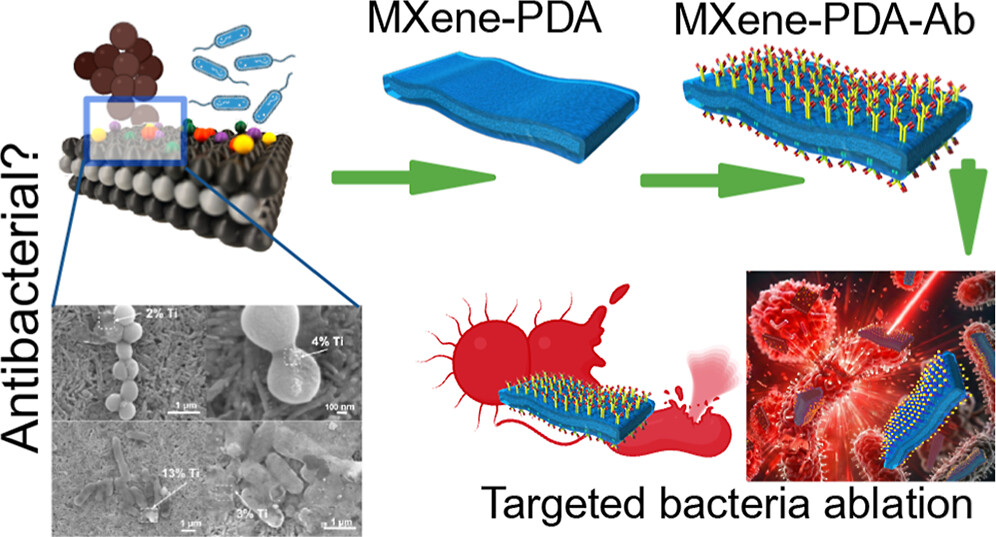
By combining expertise across academia and industry, the consortium conducted a comprehensive evaluation of MXene nanosheets, challenging long-standing assumptions about their intrinsic antibacterial properties and demonstrating their strong potential for advanced, targeted photothermal antibacterial therapies. The work represents an important step toward the development of next-generation antimicrobial technologies, particularly for localized treatments and drug-resistant infections. This publication highlights the power of international cooperation in advancing nanomaterials research from fundamental science to practical biomedical solutions.
Rethinking MXenes in Antibacterial Applications: From Intrinsic Effects to Smart Photothermal Therapies
MXenes are a rapidly growing family of two-dimensional nanomaterials that have attracted significant attention in recent years, particularly in the field of biomedicine. They are widely recognized for their excellent biocompatibility, chemical tunability, and unique physical properties. Among their many proposed applications, MXenes have frequently been reported as promising antibacterial agents. However, this apparent combination of high biocompatibility and strong antibacterial activity raises an important scientific question: can a material be both harmless to human cells and inherently toxic to bacteria?
Do MXenes Have Intrinsic Antibacterial Properties?
To address this contradiction, a comprehensive study was carried out using high-quality, pristine MXene nanosheets, including Ti₃C₂Tₓ, Nb₂CTₓ, V₂CTₓ, and Ti₃CNTₓ, with carefully controlled flake sizes. These materials were thoroughly characterized using high-resolution structural and chemical analysis to ensure minimal oxidation and the absence of residual etching byproducts.
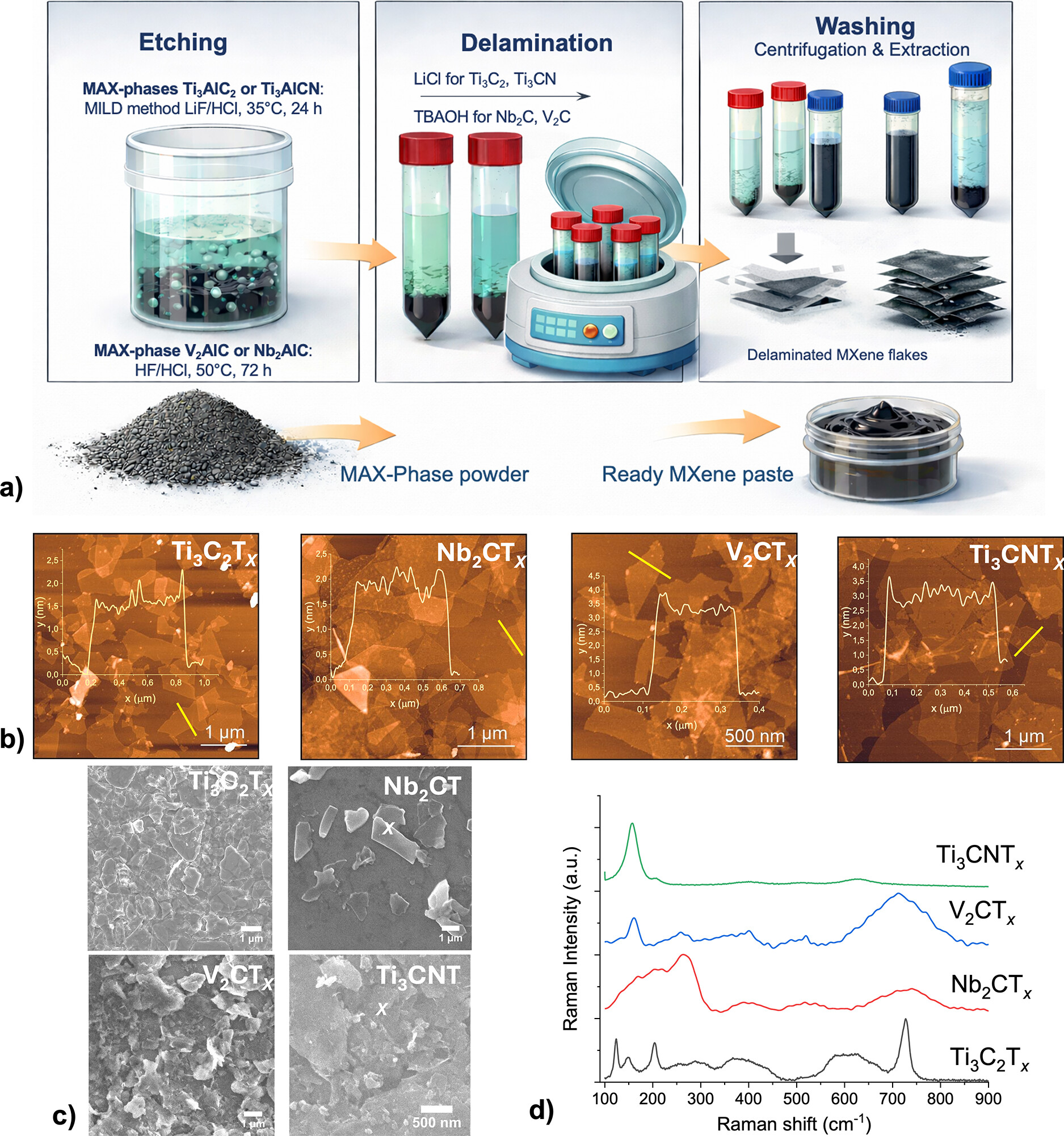
The antibacterial activity of these MXenes was evaluated using a wide range of in vitro assays, such as disk diffusion tests, broth microdilution, time-kill kinetics, reactive oxygen species (ROS) analysis, and electron microscopy. In addition, their performance was tested in an in vivo wound model.
The results were clear: at biologically relevant, non-toxic concentrations, pristine MXenes showed no significant intrinsic antibacterial effects. Neither of the two commonly proposed mechanisms—ROS-mediated damage or mechanical membrane disruption (often referred to as the “nano-knife” effect)—could be confirmed.
Why Did Earlier Studies Report Antibacterial Effects? The findings suggest that many previously reported antibacterial effects of MXenes were likely caused not by the MXene materials themselves, but by extrinsic factors, such as: incomplete removal of etching residues (e.g., HF, AlF₃), fluorine-rich surface terminations, structural defects, or partial oxidation of MXene nanosheets.
When these factors are eliminated and truly pristine MXenes are used, the materials remain highly biocompatible—but do not act as direct bactericides.
MXenes as Platforms for Photothermal Antibacterial Therapy
Although pristine MXenes lack intrinsic antibacterial activity, the study highlights a powerful alternative approach: MXene-assisted photothermal therapy (PTT).
MXenes, particularly Ti₃C₂Tₓ, exhibit exceptional photothermal properties. Under near-infrared (NIR) laser irradiation, MXene nanosheets efficiently convert light into heat, enabling rapid and localized bacterial ablation. In laboratory experiments, this approach led to complete bacterial eradication. Importantly, the strategy was successfully translated to an in vivo rat wound model, where it significantly accelerated wound healing.
Even more striking results were achieved using antibody-functionalized MXene nanosheets, which allowed targeted photothermal therapy. This enabled selective elimination of Escherichia coli while leaving non-target bacteria unaffected—demonstrating precise, controllable antibacterial action.
A New Role for MXenes in Antimicrobial Technologies
These findings redefine the role of MXenes in antimicrobial applications. Rather than serving as passive, intrinsic antibacterial materials, MXenes should be viewed as versatile, biocompatible platforms that can be externally activated to combat infections. MXene-assisted photothermal therapy offers several key advantages:
on-demand and spatially confined antibacterial action,
reduced damage to surrounding healthy tissues,
effectiveness against multidrug-resistant bacteria,
compatibility with targeted and personalized treatment strategies.
This work lays the foundation for next-generation MXene-based antibacterial technologies, particularly for localized wound management and difficult-to-treat infections. Future research will focus on optimizing MXene formulations for clinical use, including advanced surface functionalization, delivery systems, and integration with real-time imaging and monitoring tools.
In summary, while pristine MXenes are not intrinsic antibacterial agents, their combination of biocompatibility, tunability, and photothermal responsiveness positions them as powerful candidates for smart, externally triggered antimicrobial therapies.
Our teams are grateful for the financial support provided for this research by the Horizon Europe MSCA-2021-SE-01 project MX-MAP (Grant No. 101086184), as well as by the ERA-NET projects AntiMicroMXene and ERA4Health project TERMEX.
Read the full text: Korniienko, V., Gogotsi, O., Varava, Y., Zandersone, B., Deineka, V., Husak, Y., Diedkova, K., Solodovnyk, O., Kukurika, V., Dukhnovskiy, S., Moskalenko, R., Baginskiy, I., Petrichenko, O., Sulaieva, O., Haidamak, O., Shubin, P., Zahorodna, V., Anastaziak, B., Coy, E., Iatsunskyi, I., Gogotsi, Y., & Pogorielov, M. (2026). Critical assessment of intrinsic antibacterial properties and photothermal therapy potential of MXene nanosheets. ACS Applied Nano Materials. DOI: 10.1021/acsanm.5c04961
Related articles on MXenes for biomedical applications:
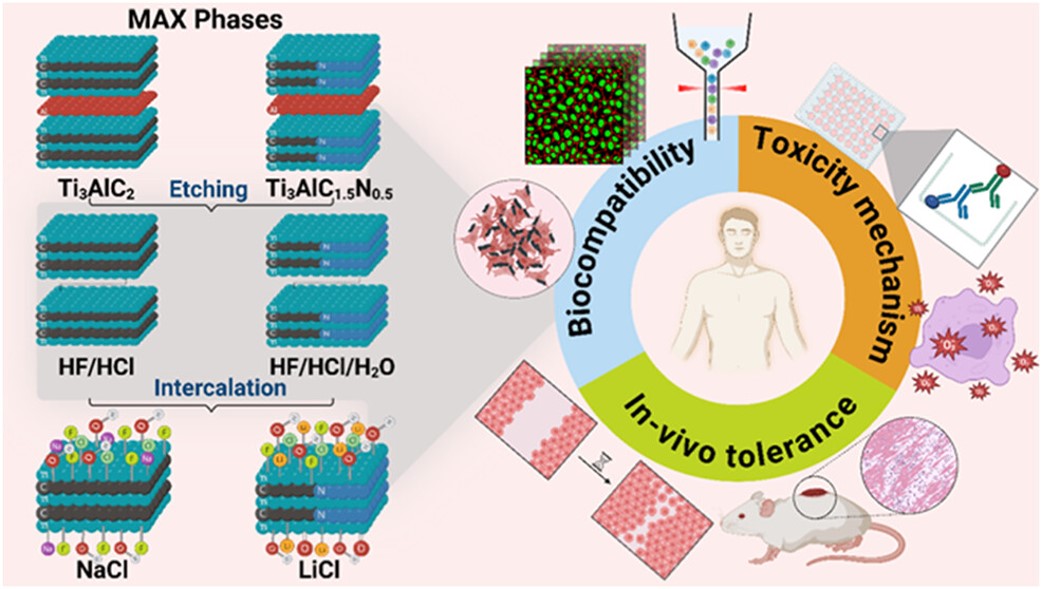 Congratulations to all partners with a new paper published about MXenes for biomedical applications!
MXenes potential applications include sensors, wound healing materials, and drug delivery systems. A recent study explored how different synthesis methods affect the safety and performance of MXenes. By comparing etching conditions and intercalation strategies, researchers discovered that fine-tuning the surface chemistry of MXenes plays a crucial role in improving biocompatibility. These results provide practical guidelines for developing safer MXenes and bring the field one step closer to real biomedical applications.
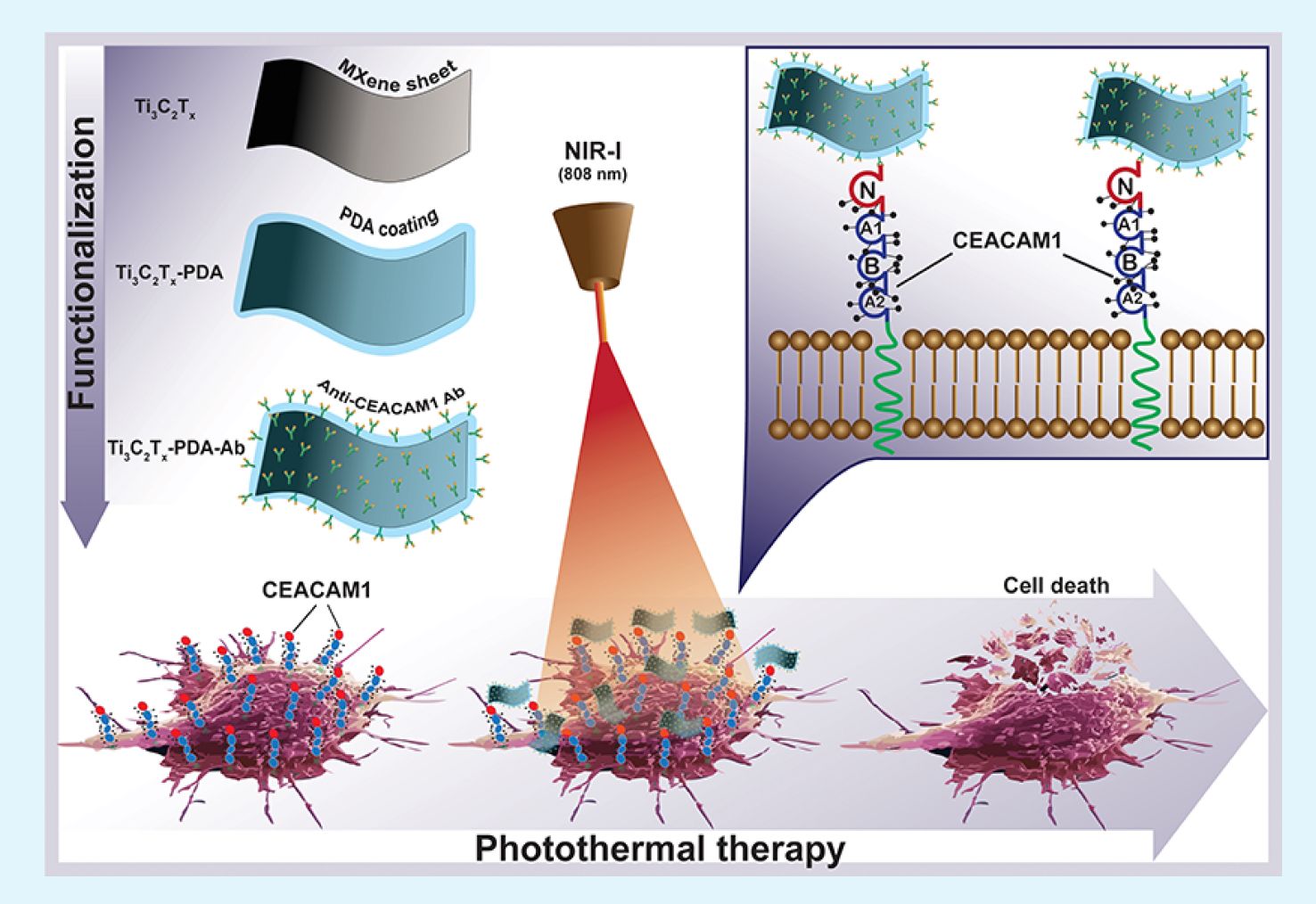 Together with colleagues from the University of Latvia, MRC/Carbone Ukraine, Adam Mickiewicz University, University Clinic Essen, and others, we have developed a novel concept involving the binding of antibodies to MXenes. In our research, we utilized anti-CEACAM1 antibodies to develop targeted photo-thermal therapy for melanoma (in vitro), paving the way for future in vivo studies and clinical trials. For the first time, we demonstrate the feasibility of delivering MXenes specifically targeted to melanoma cells, enabling the effective ablation of cancer cells under near-infrared (NIR) light. This new technique opens up vast potential for the application of MXenes in cancer treatment, diagnostics, drug delivery, and many other medical purposes.
Elucidation of Potential Genotoxicity of MXenes Using a DNA Comet Assay
 Congratulations to all collaborators with this interesting joint work supported by MX-MAP project!
MXenes are among the most diverse and prominent 2D materials. They are being explored in almost every field of science and technology, including biomedicine.
Despite their proven biocompatibility and low cytotoxicity, their genotoxicity has not been addressed, so we investigated whether MXenes interfere with DNA integrity in cultured cells and examined the fragmentation of their chromosomal DNA by a DNA comet assay.

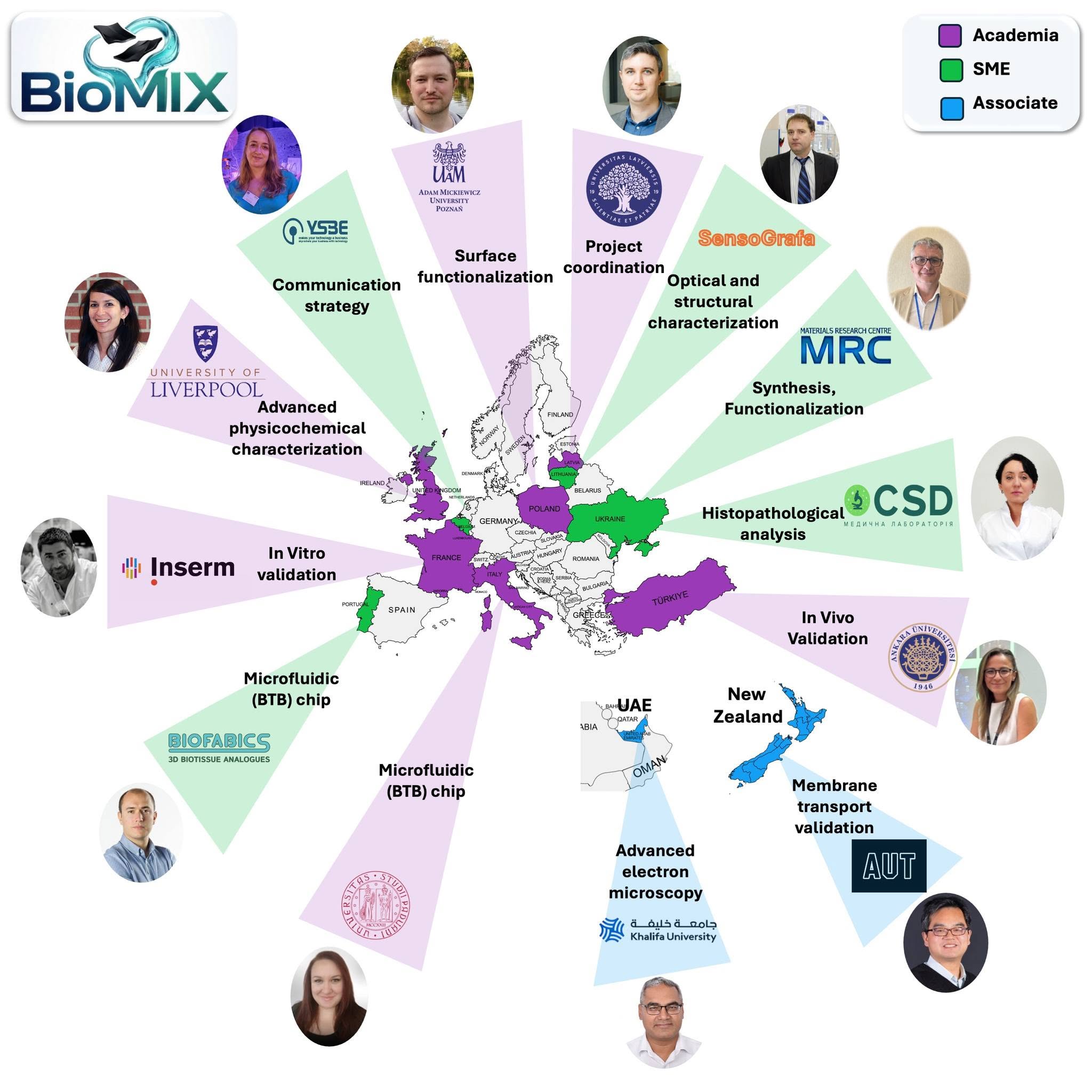
 The seminar, titled “MXenes for Space and High-Tech Applications: From Scalable Synthesis to Smart Structures, Sensors, and Advanced Bio-Composites,” brought together researchers interested in the development and application of advanced nanomaterials. The presentation covered recent progress in MXene technology, with a particular focus on scalable synthesis and the integration of MXenes into smart structures, sensors, advanced electronics, multifunctional composites, and space technologies.
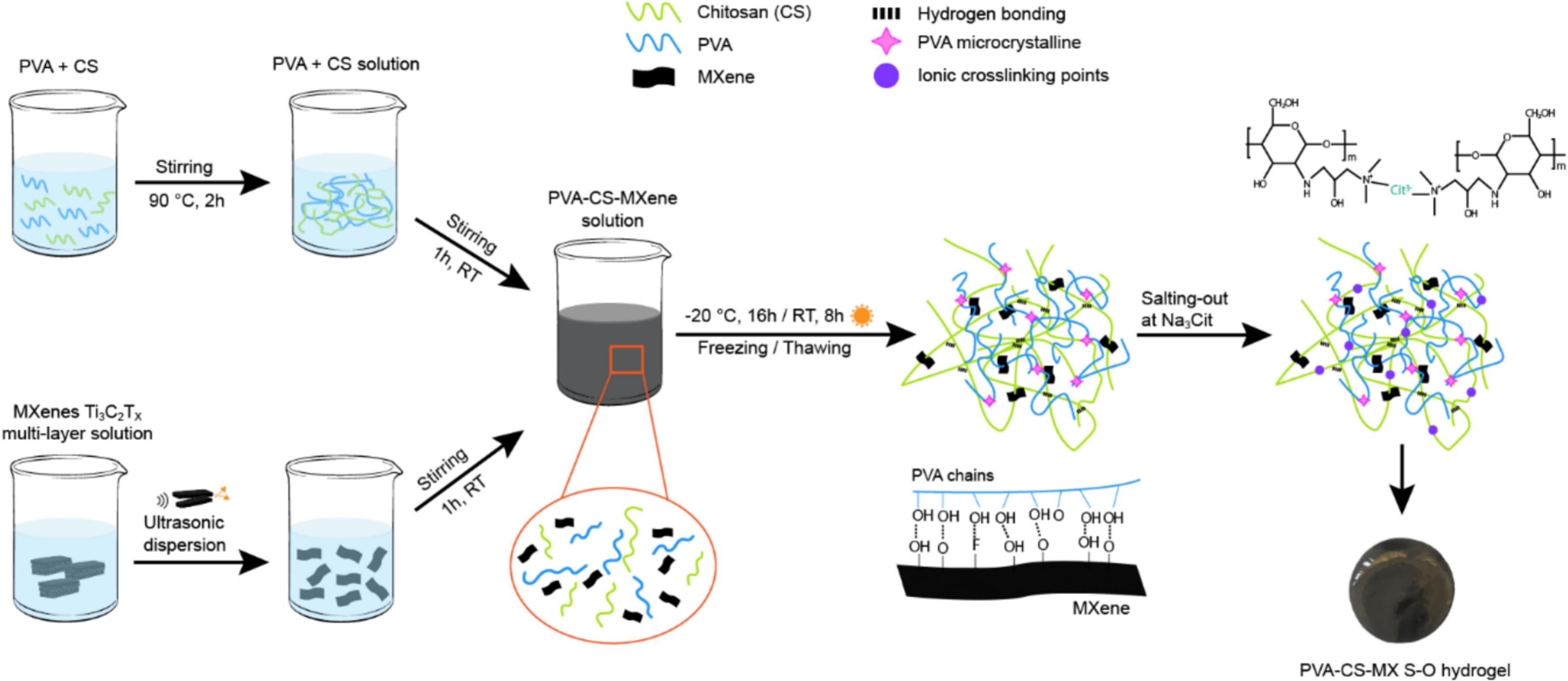 The study, “Green-Synthesized MXenes Enable Low-Friction, Cytocompatible PVA-Chitosan Hydrogels,” explores the incorporation of HF-free, green-synthesized Ti₃C₂Tₓ MXenes into polyvinyl alcohol (PVA)-chitosan hydrogels. The research demonstrates that this combination can produce highly hydrated, mechanically enhanced, cytocompatible materials with significantly improved tribological properties.
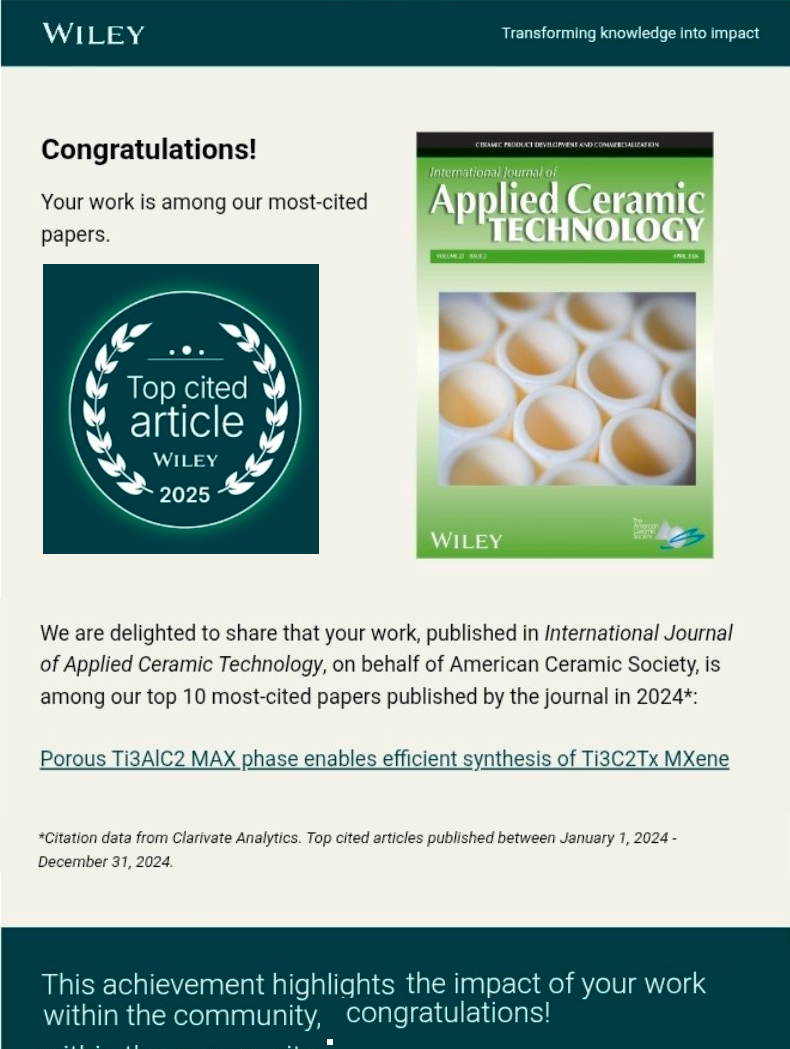 Our collaborative work on porous Ti₃AlC₂ MAX phase for efficient Ti₃C₂Tₓ MXene synthesis has been ranked among the Top 10 most cited papers in the International Journal of Applied Ceramic Technology (IJACT).
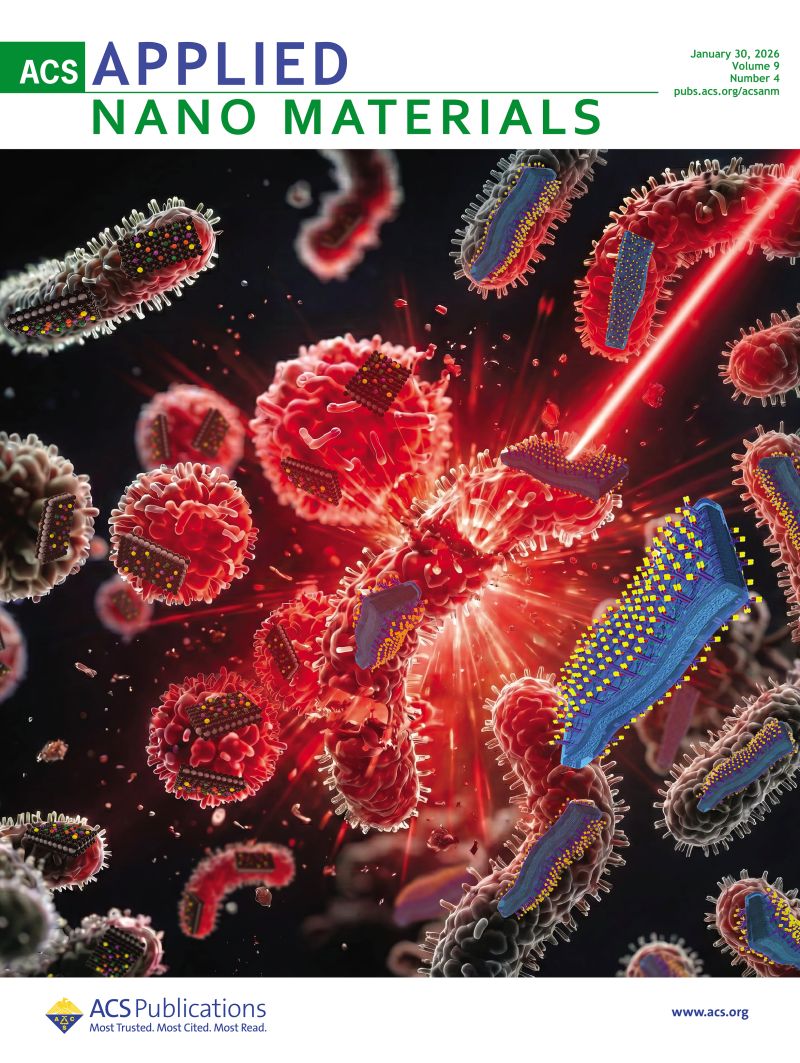 We highly recommend checking out new important paper: “Critical Assessment of Intrinsic Antibacterial Properties and Photothermal Therapy Potential of MXene Nanosheets.” Along with the key findings, we’re also excited to share the Supplementary Cover Art — it beautifully illustrates our vision of MXene-based targeted complexes that can eliminate bacteria via photothermal conversion under near-infrared irradiation.
 Highlights
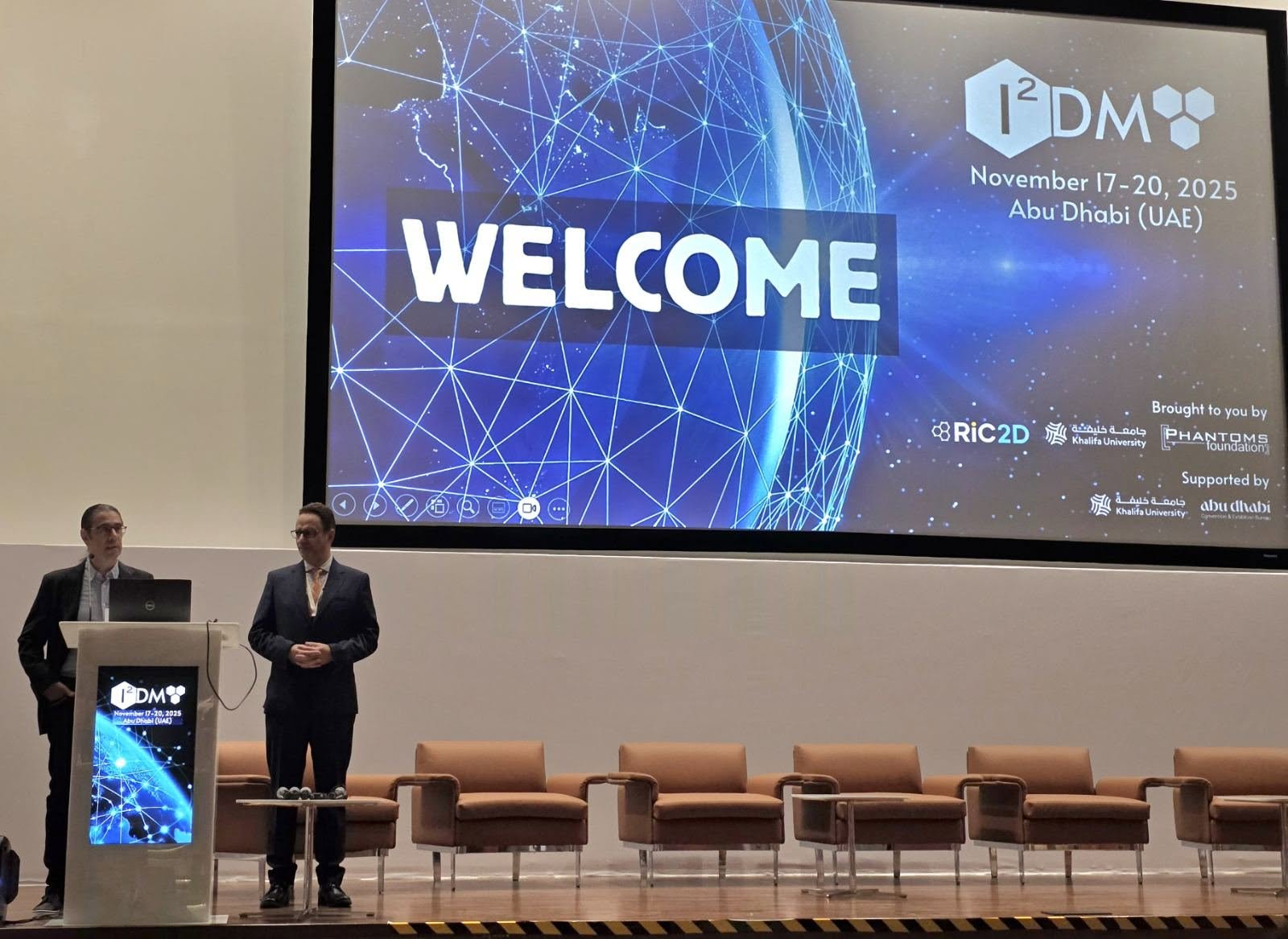 We are excited to share that our Carbon-Ukraine (Y-Carbon LLC) company participated in the I2DM Summit and Expo 2025 at Khalifa University in Abu-Dhabi! Huge thanks to Research & Innovation Center for Graphene and 2D Materials (RIC2D) for hosting such a high-level event.It was an incredible opportunity to meet brilliant researchers and innovators working on the next generation of 2D materials. The insights and energy from the summit will definitely drive new ideas in our own development.
 Carbon-Ukraine team had the unique opportunity to visit XPANCEO - a Dubai-based deep tech startup company that is developing the first smart contact lenses with AR vision and health monitoring features, working on truly cutting-edge developments.
 Our Carbon-Ukraine team (Y-Carbon LLC) are thrilled to start a new RIC2D project MX-Innovation in collaboration with Drexel University Yury Gogotsi and Khalifa University! Amazing lab tours to project collaborators from Khalifa University, great discussions, strong networking, and a wonderful platform for future collaboration.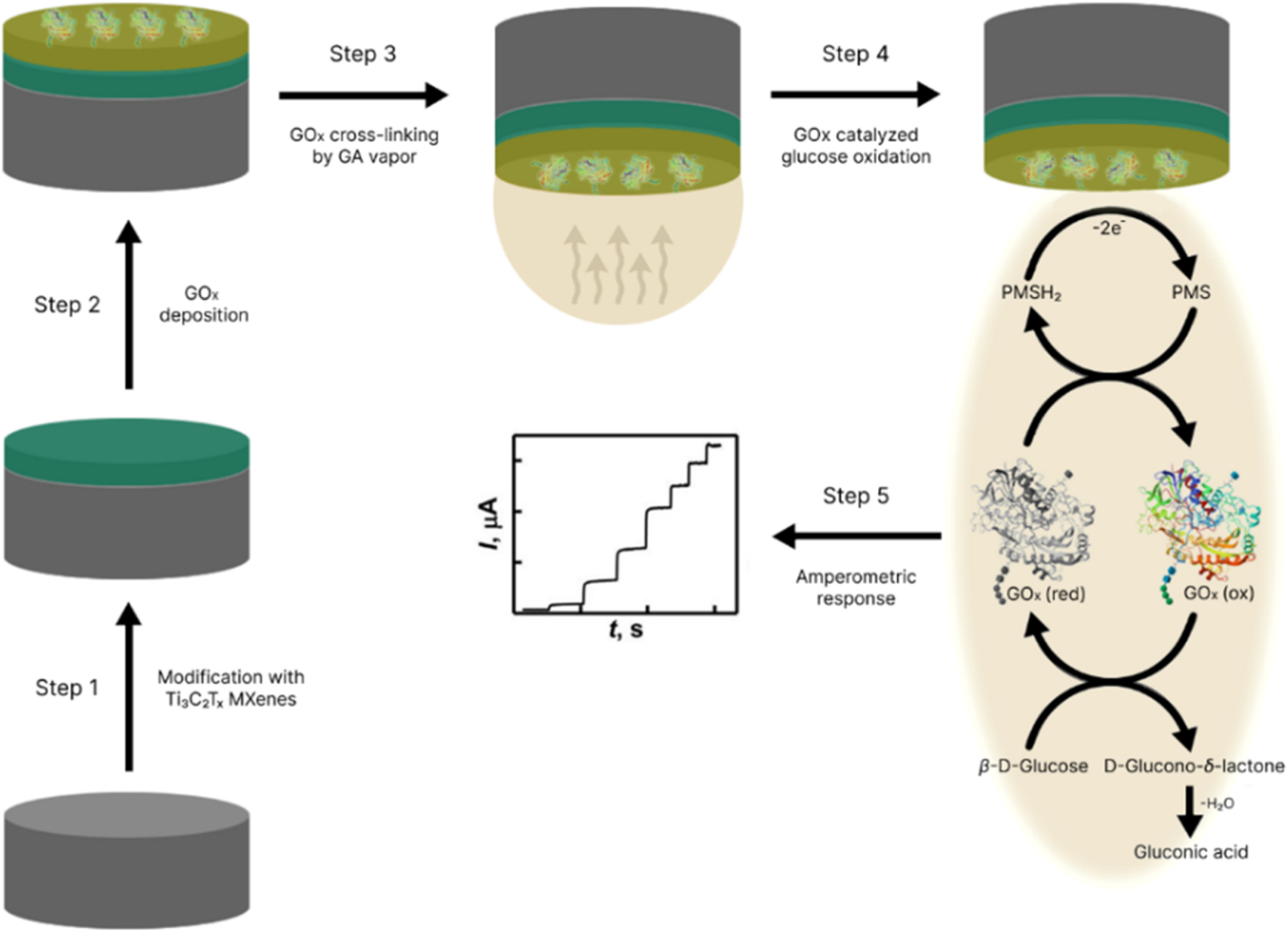
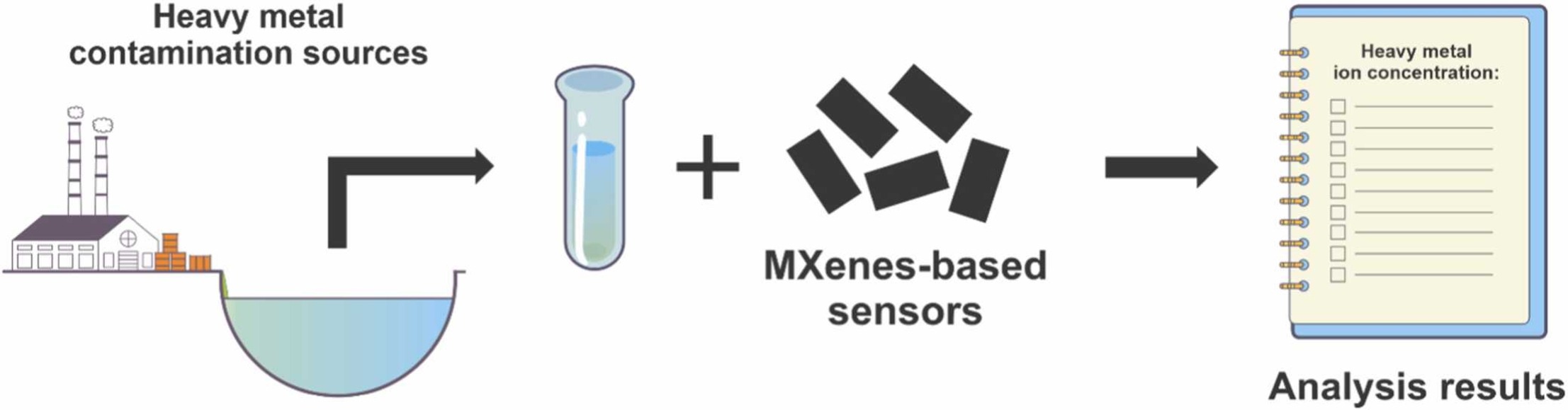 An excellent review highlighting how MXene-based sensors can help tackle one of today’s pressing environmental challenges — heavy metal contamination. Excited to see such impactful work moving the field of environmental monitoring and sensor technology forward!
 Carbon-Ukraine team was truly delighted to take part in the kickoff meeting of the ATHENA Project (Advanced Digital Engineering Methods to Design MXene-based Nanocomposites for Electro-Magnetic Interference Shielding in Space), supported by NATO through the Science for Peace and Security Programme.