

| Rus |  |
Eng |  |
Materials Research Centre provides engineering design and manufactures high-quality laboratory, research and technological equipment to order using modern design methods, taking into account technical, technological, operational, aesthetic and other possible requirements and wishes.
Experience of international cooperation and fulfillment of complex scientific and technological equipment for leading foreign Universities, scientific and technological organizations allows us to implement advanced solutions that meet the highest international level.
Mills
In most industries size reduction falls in two general categories: crushing and milling. Crushing typically means reducing large chanks to sizes about 0,5 to 0,75 or smaller. Milling usually means reducing mmaterial to sizes in the low-micron or even nano-size range. Milling may be done wet or dry. Attrition milling technologies relate to chemical processing applications. Media milling is one common way to achive desired results.
Different types of grinding mills.The size of media affects, end result of the miling operation
|
Type of Mill
|
Media Size,in.
|
Tip Speed, ft./sec
|
| Ball mill |
1/2 and larger
|
-
|
| Attrition mill |
1/8 - 3/8
|
600 - 1,000
|
| Sand mill |
1/64 - 1/8
|
2,00 - 3,000
|
| Small media mill |
0,1mm - 3mm
|
1,000 - 3,000
|
Ball mills are more suitable for coarse materials (are used large media, ranging in size 20mm diameter and more, to produce material from about 10microns to mesh sizes.
Attrition mills are more appropriate for mid-range size particles. Such millsutilize 3-10mm media to produce material ranging in size from approximately 1 to 10 microns. 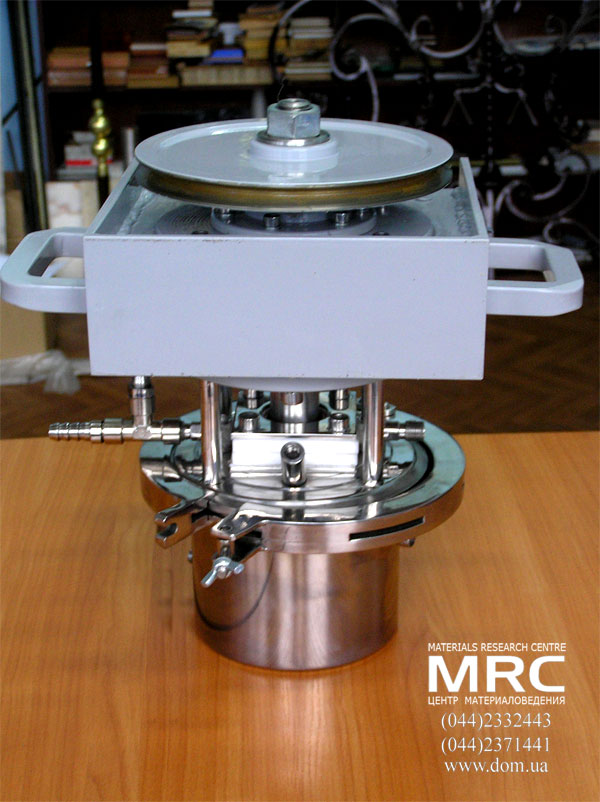
The first small media mill was named "sand mill" because it used 1/64-1/8 in Ottawa silica,Canada. Ultrafine grinding - high-perfomance small media mills - produce sub-micron particle sizes by employing beads ranging in size 0,1-1mm.
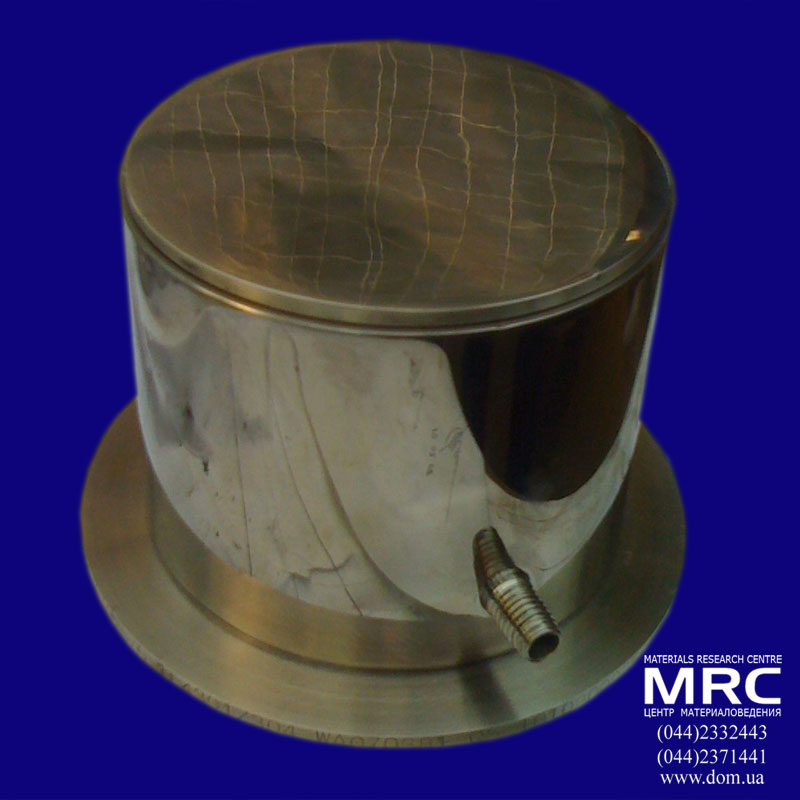
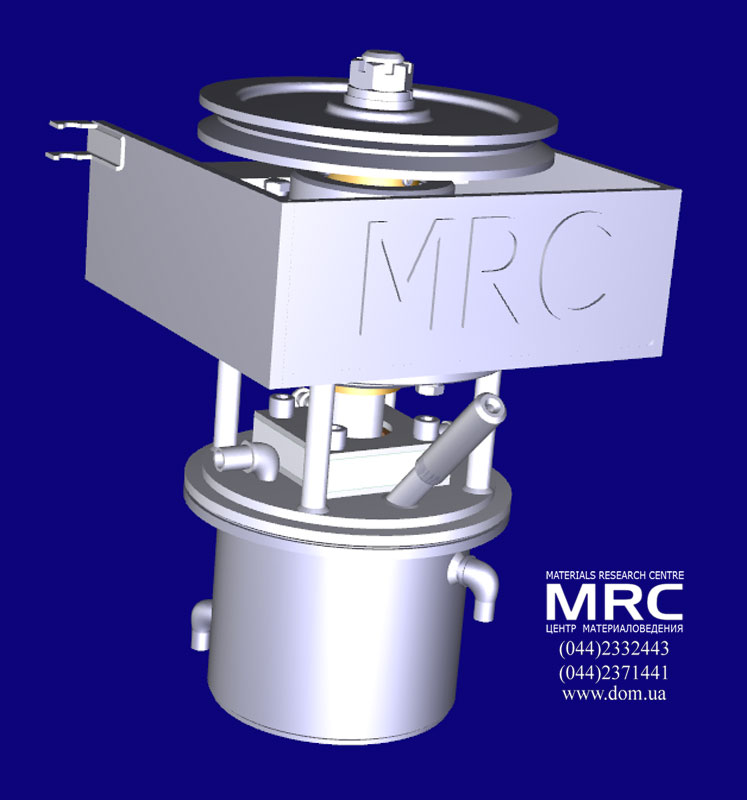
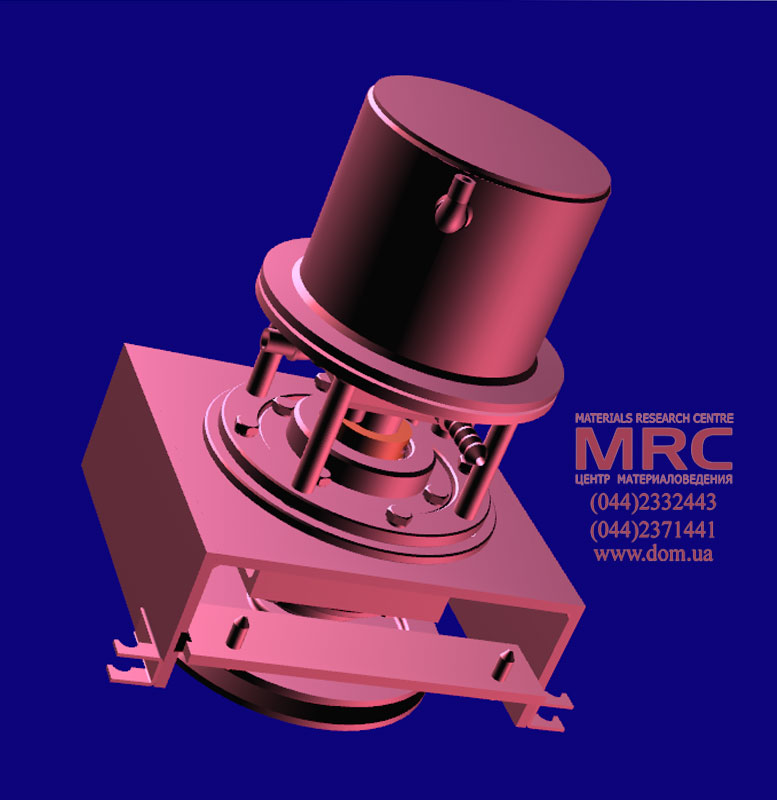
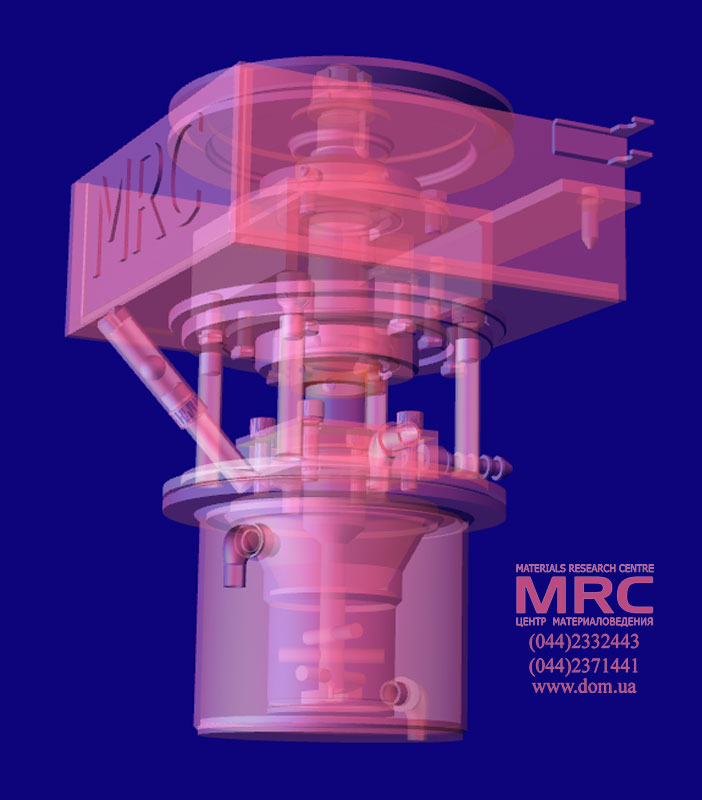
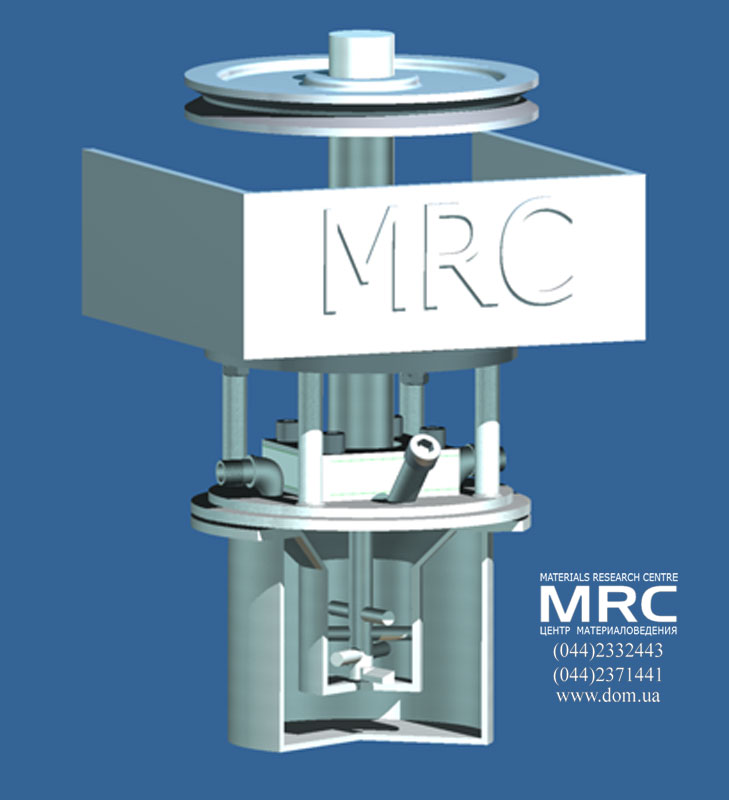
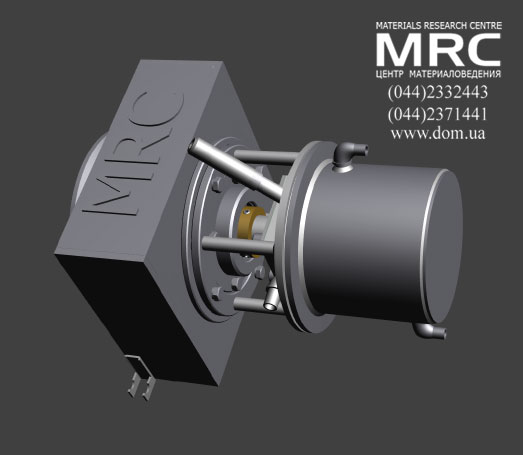
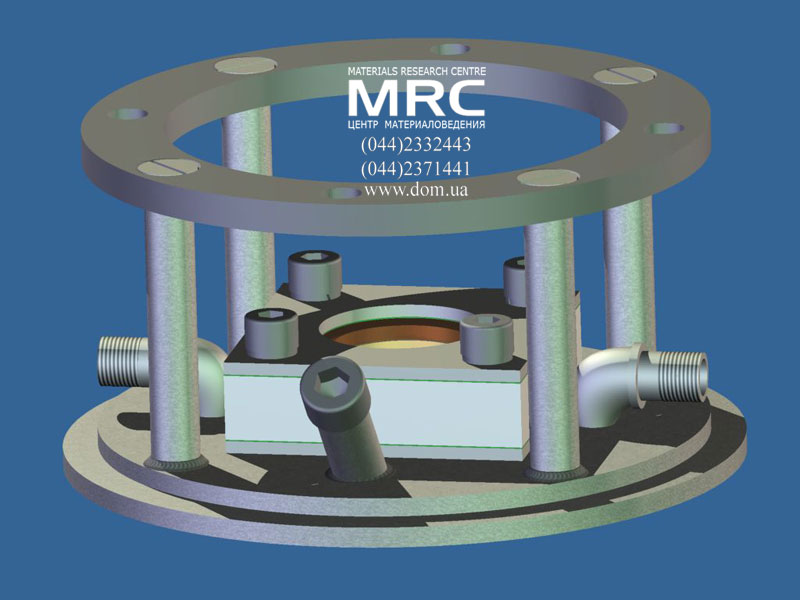
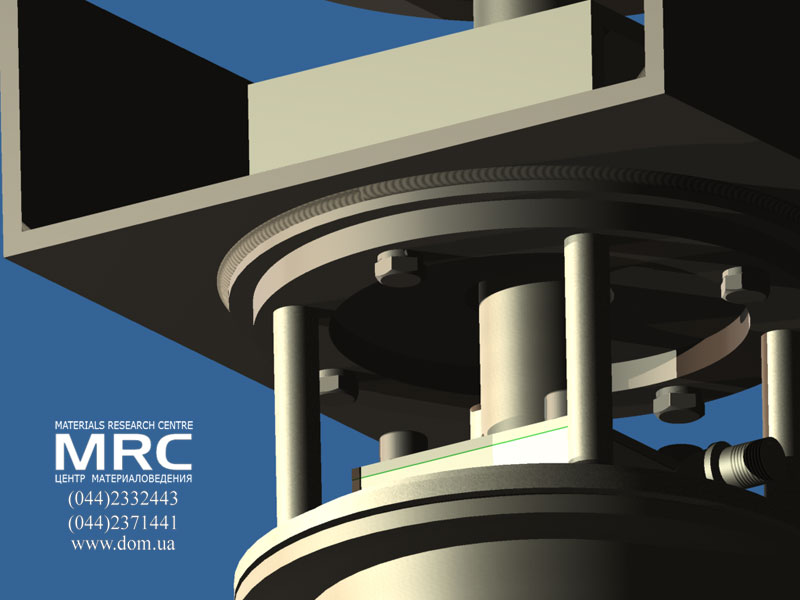
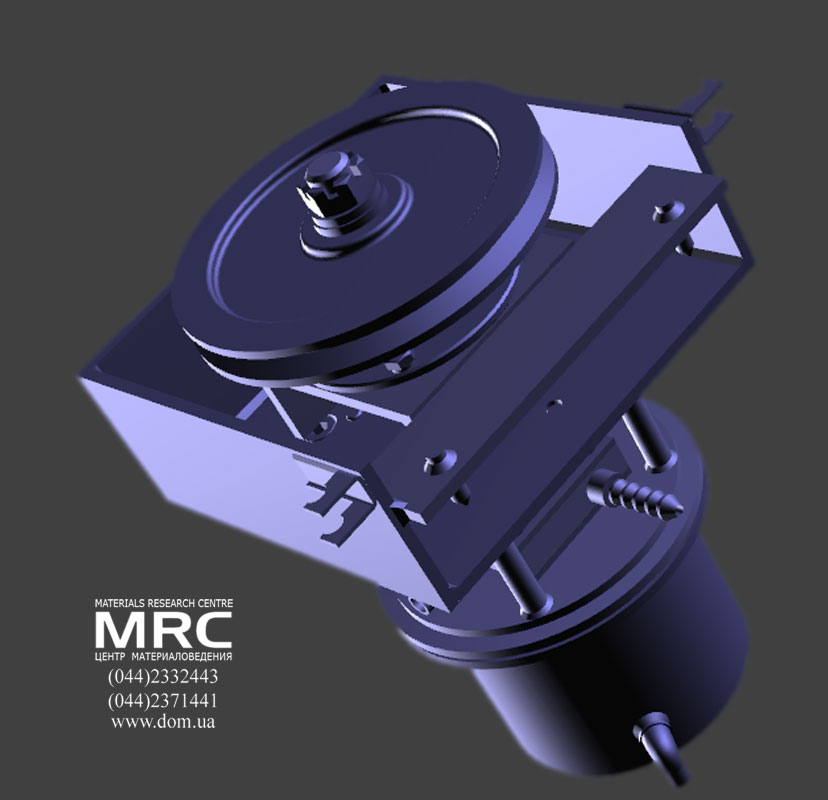
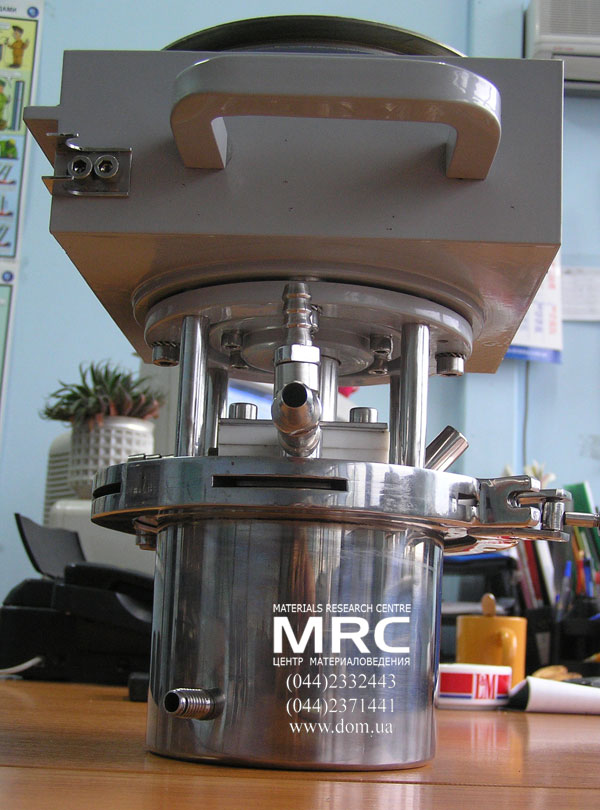
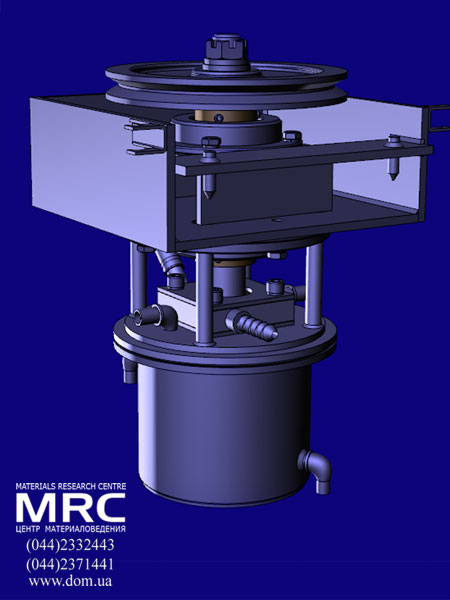
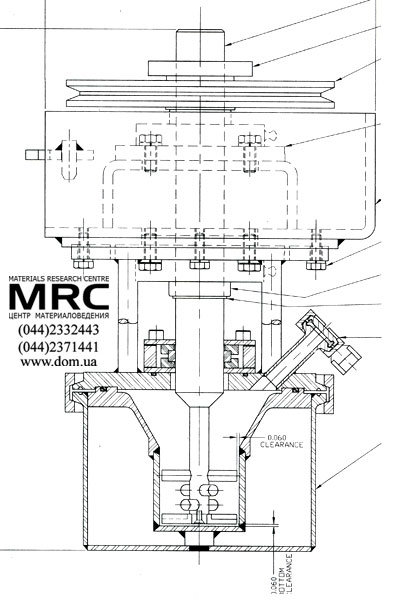
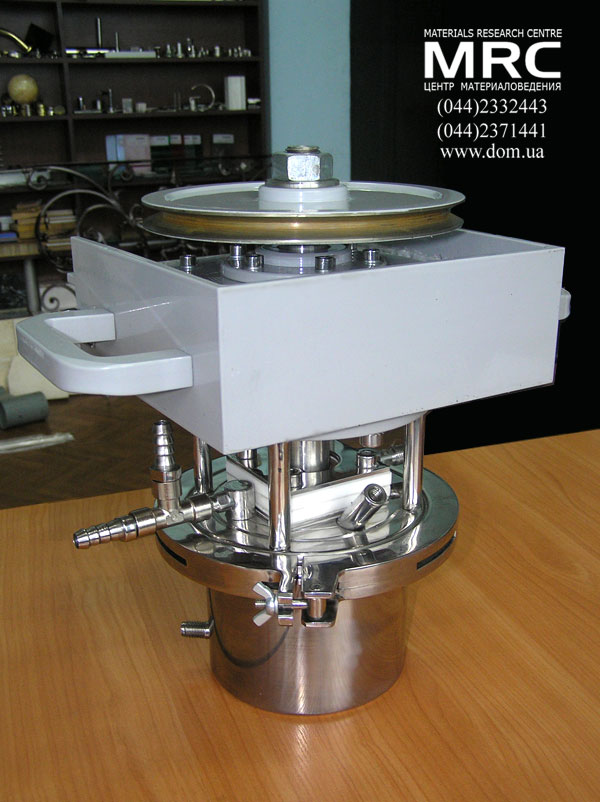
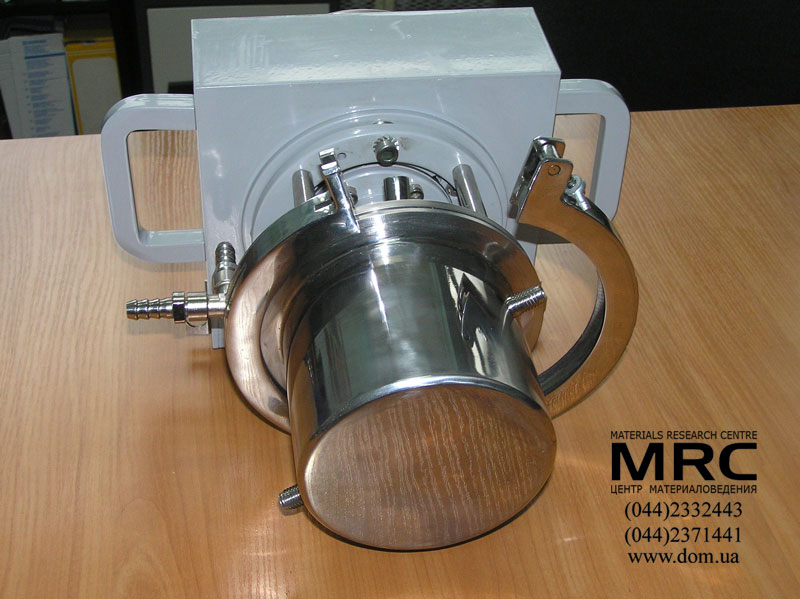
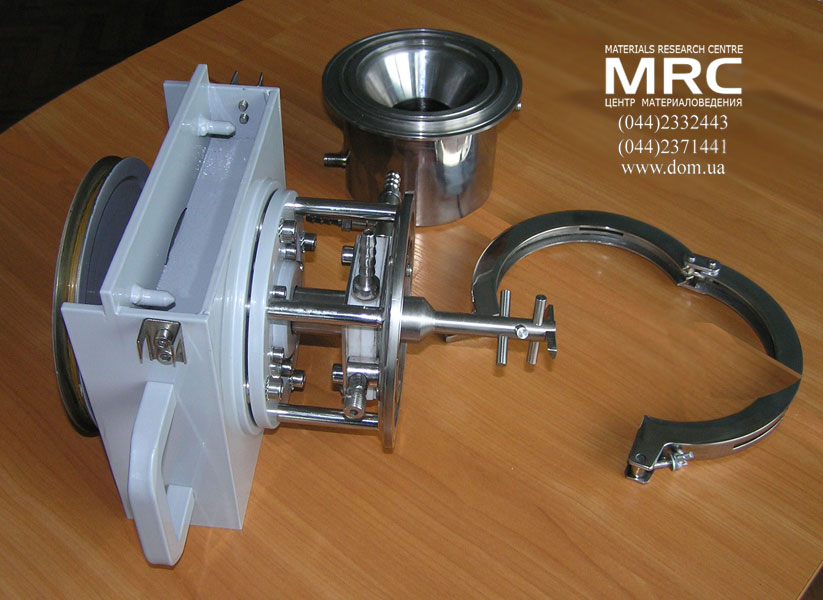
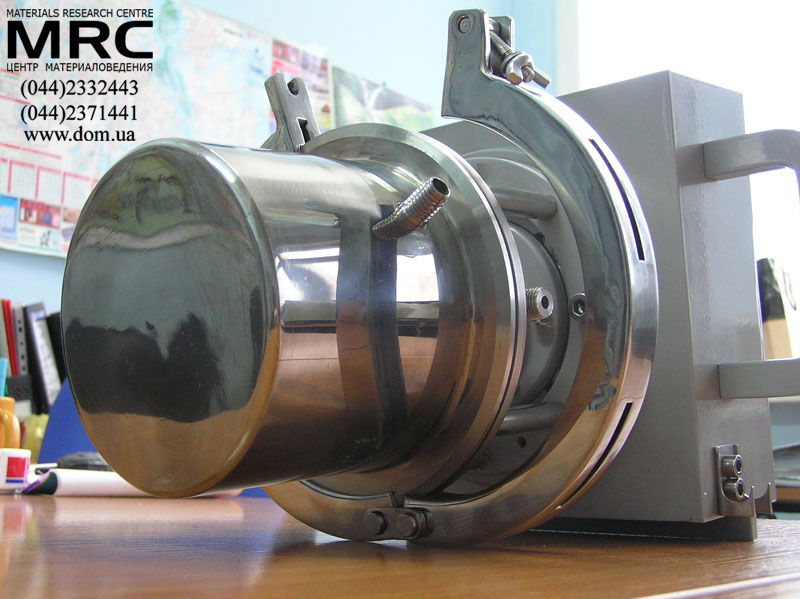
Attrition milling is simple and effective. Feed material is placed in a stationary tank with the grinding media. A rotating shaft with arms or discs then agitates the material and media. Both impact and shearing action result in size reduction as well as homogenous particle dispersion with very little wear on the tank walls. These efficient forces must be present for the most effective grinding action.



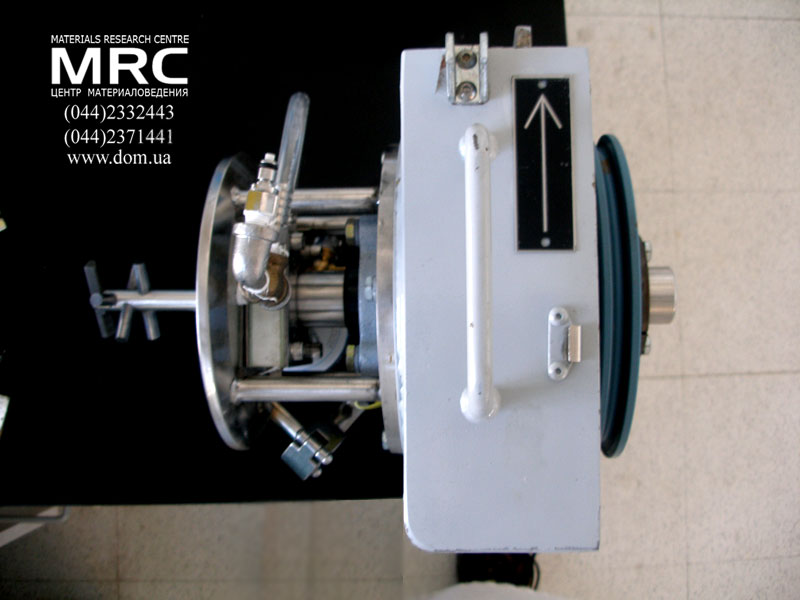
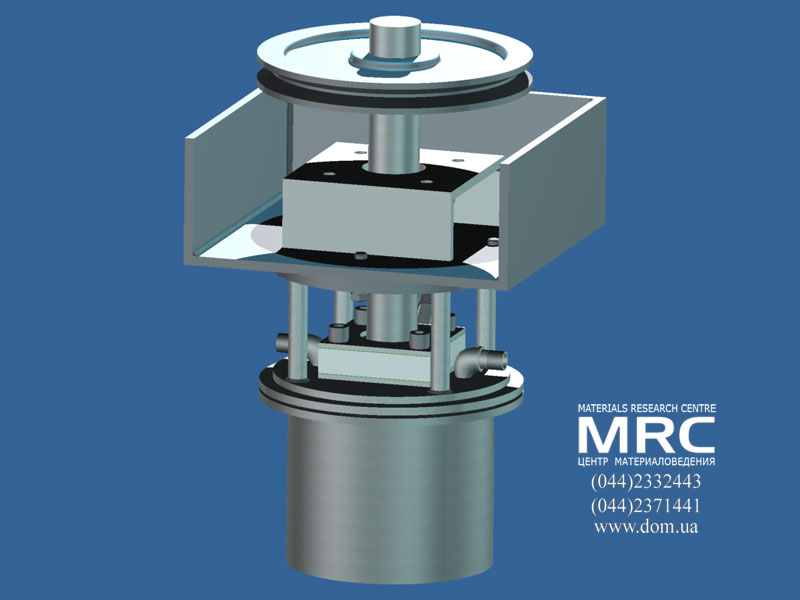

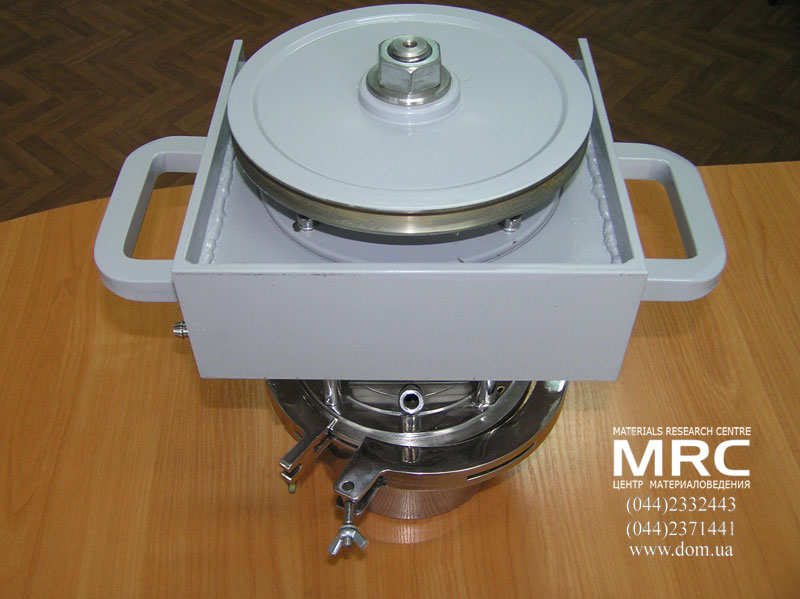
Gas Analyzer System of Measuring Emissions of Particulate Matter in Exhaust
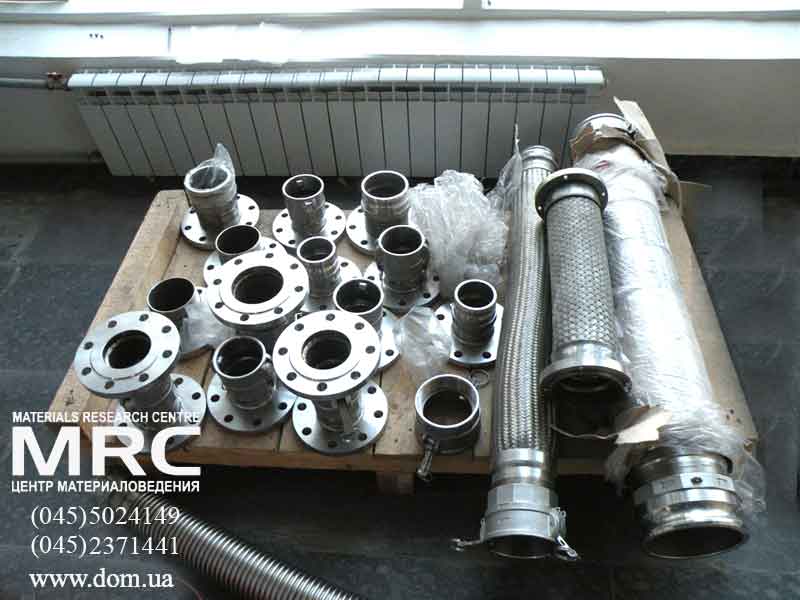
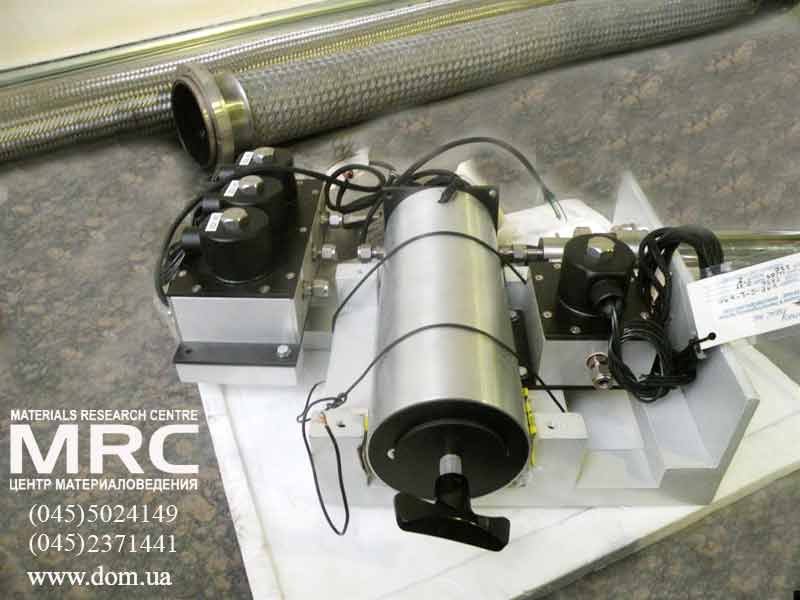
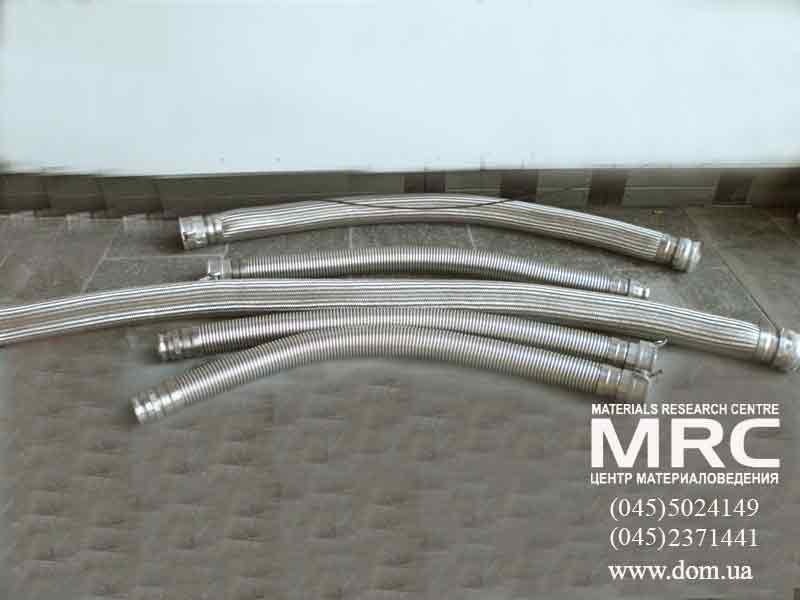
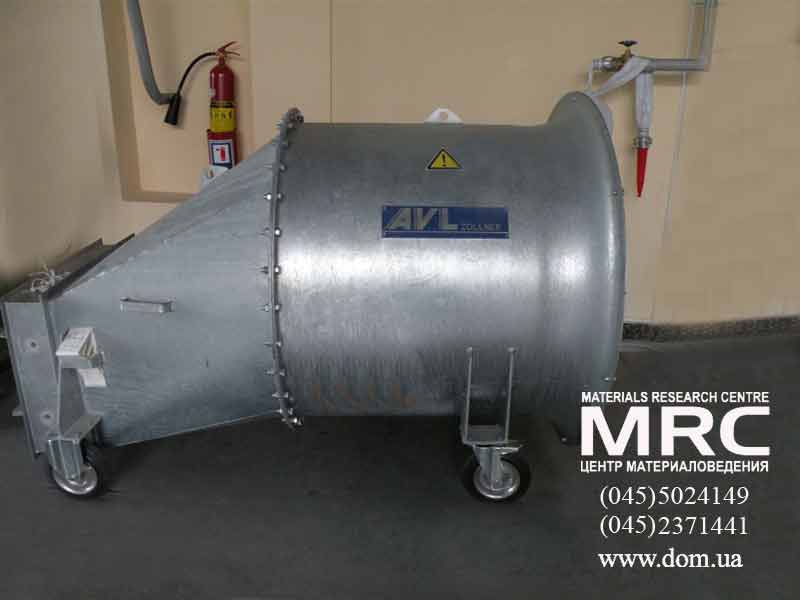
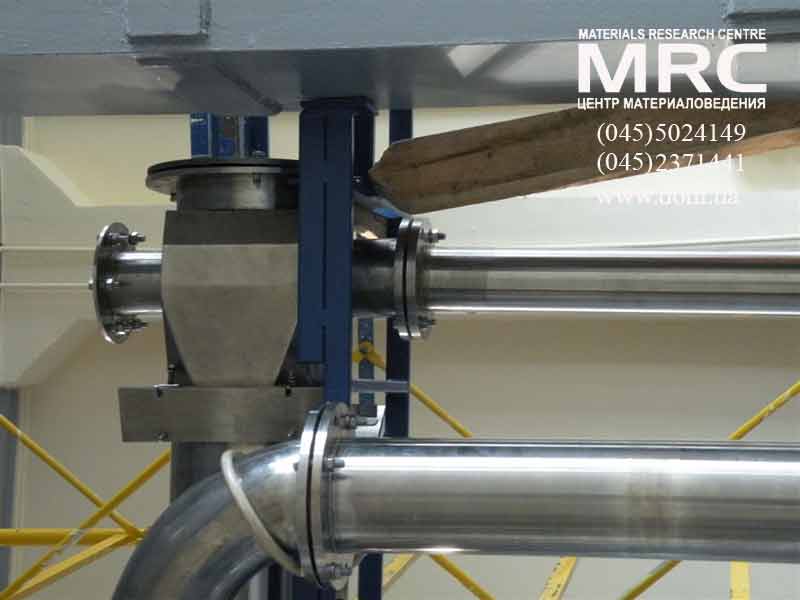
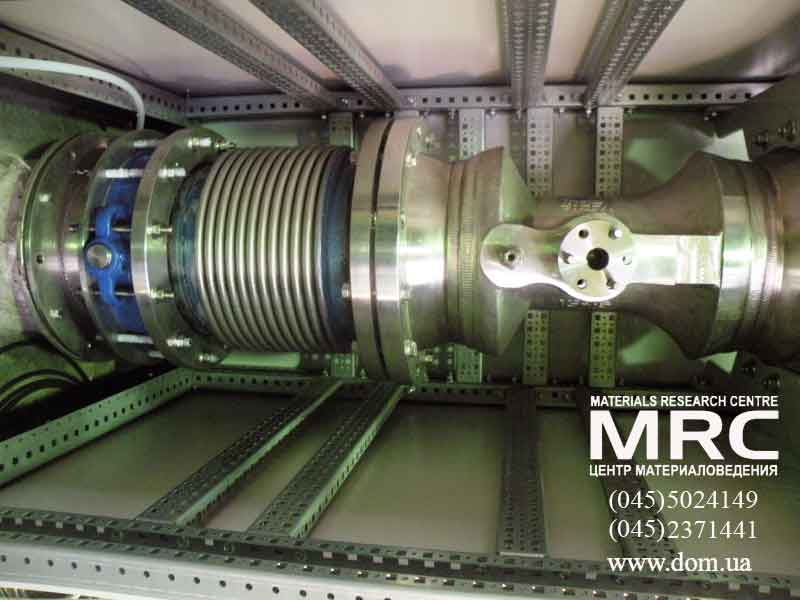
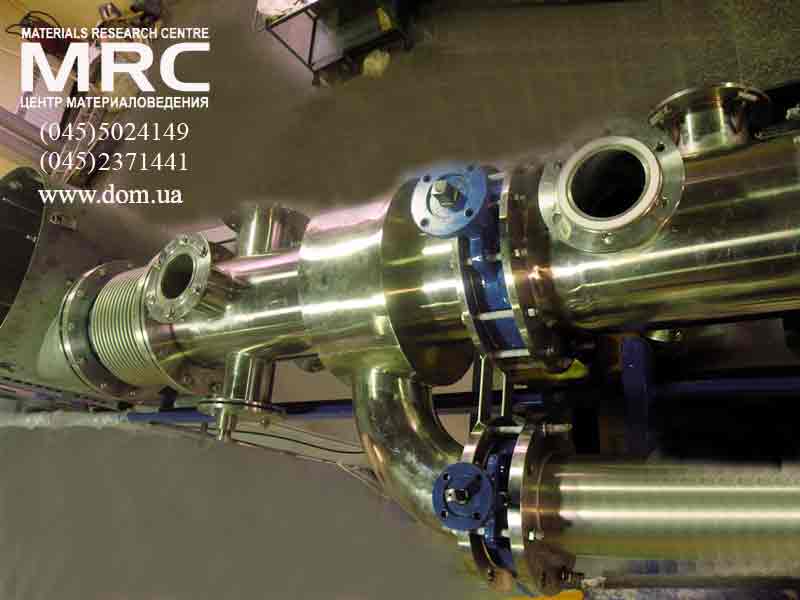
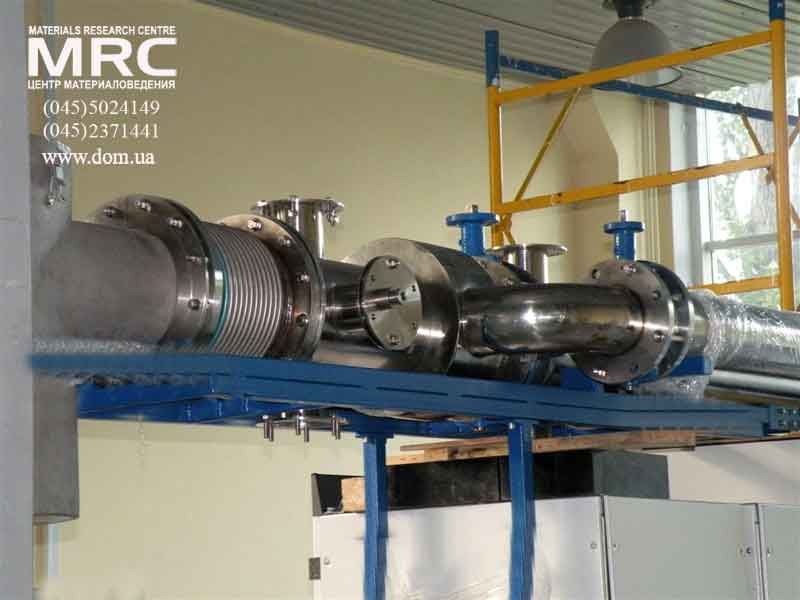
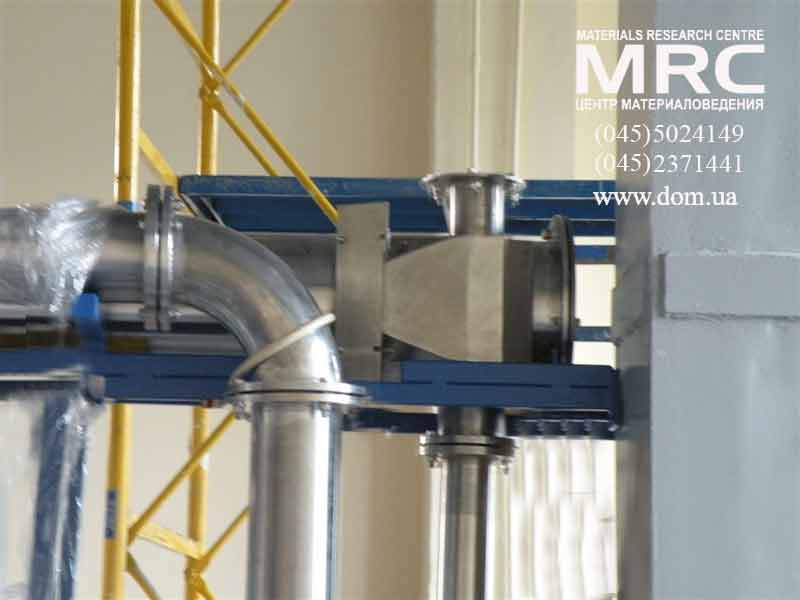
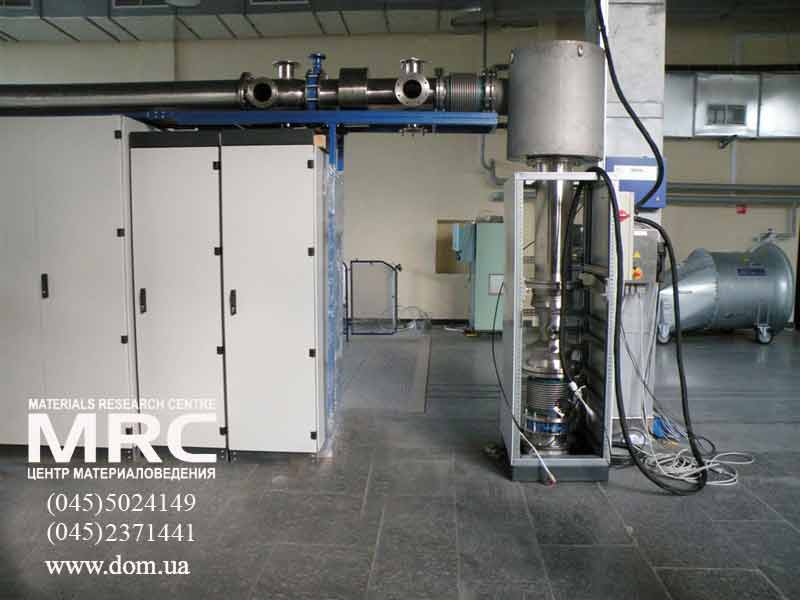
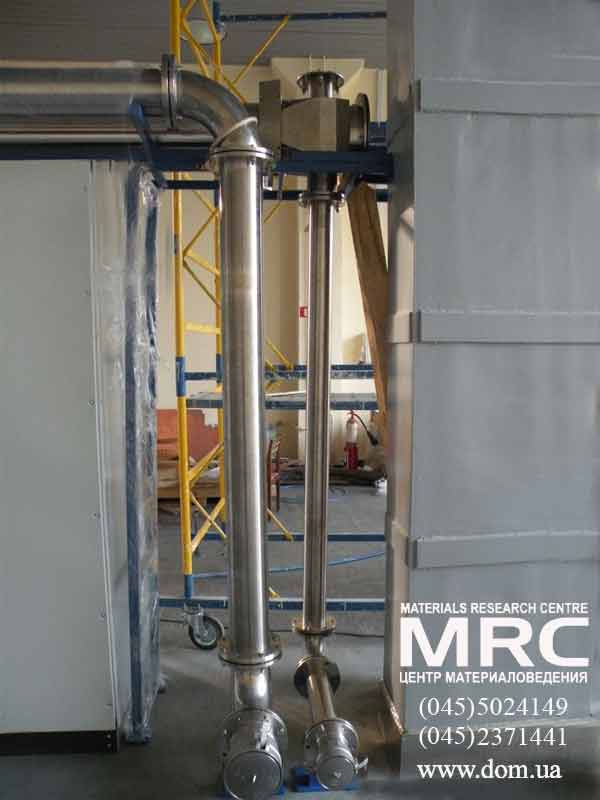
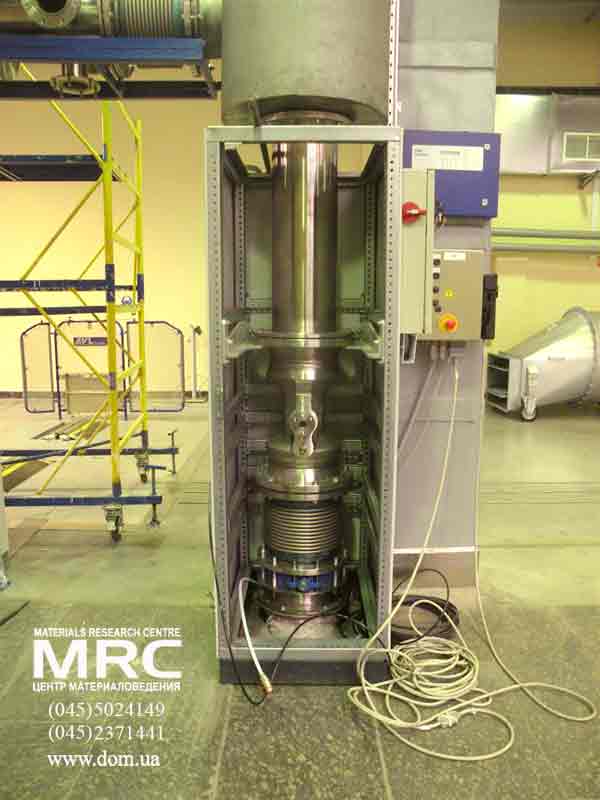
At the end of 2009 between Materials Research Centre and State Motor Company SRI Project was signed an agreement on еngineering and technology revision of design documentation and producing of the first domestic gas analyzer system of measuring emissions of particulate matter in exhaust developed by State Motor Company SRI Project in according with international standards Euro2, Euro 3, Euro 4, Euro 5. At this stage the similar systems are produced only in the U.S. and Japan.
 |
 |
 |
|
 |
 |
 |
|
 |
 |
 |
|
 |
 |
 |
International R&D Project New Materials for Electric Drive Vehicles
This research project was organized by the U.S. Department of Energy (United States Department of Energy (DoE), Argonne National Laboratory, USA (Argonne National Laboratory, USA) unites a number of U.S. partner companies with several research organizations in Ukraine for the development of new batteries for electric drive vehicles.
Main objective of that project is to develop a number of experimental and new lines of experimental equipment for the development of technologies and materials for the manufacturing of batteries for electric drive vehicles.
Materials research Centre,Ltd will develop, design and produce some pilot auxiliary equipment for the further assembling of the technological parts of equipment developed by other project participants, in the full production line.
Following equipment is manufactured within the project:
Calcination furnace, Screw feeders, Scrubber, Filter system, Cooling system, Milling Machine, Composite Battery Boxes, Receiving Bin
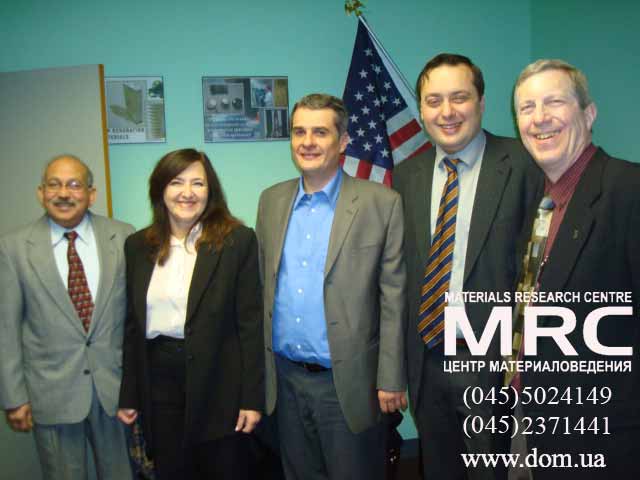
Oleksiy Gogotsi, MRC ltd., with partners at the Аmerican Energy Technologies Company during his trip to USA, March 2011.
 |
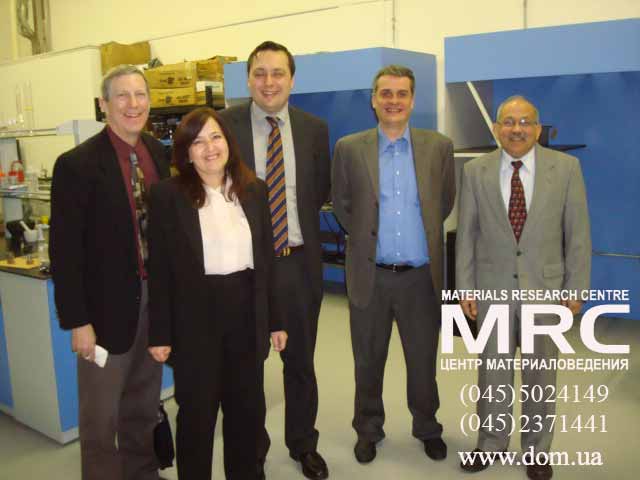 |
| A.G. Gogotsi during the visit to American Energy Technologies Company with american partners: Upendra S. Rohatgi from Brookhaven National Laboratory, David A. Ehst from Aragonne National Laboratory, Igor Barsukov and Maya Barsukov from American Energy Technologies Company, Murch 2011. | |
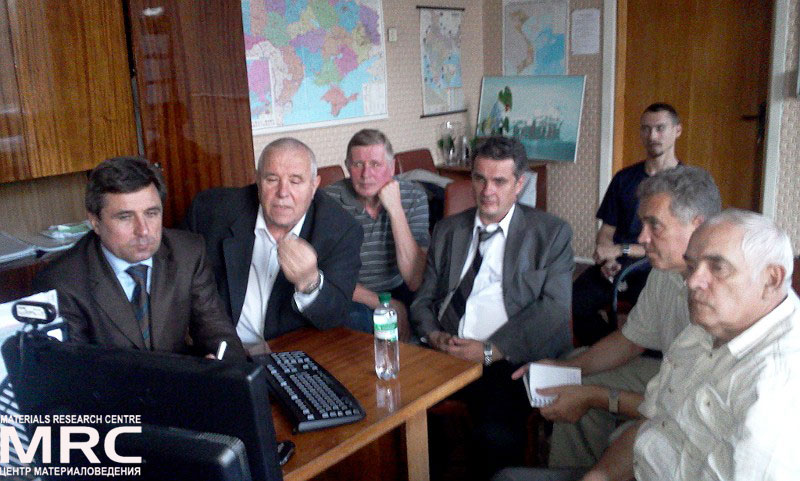
Video meeting with foreign partners from AETC and Aragonne National Laboratory at The Gas Institute, Ukrainian National Academy of Science, September 2011.
 |
 |
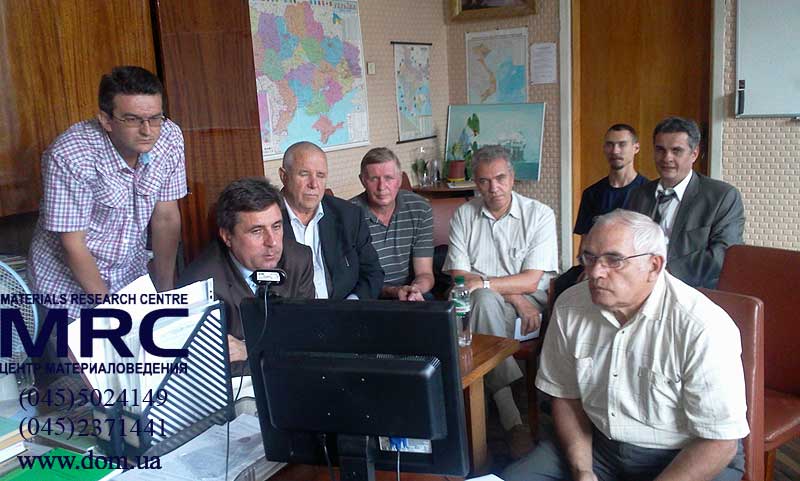 |
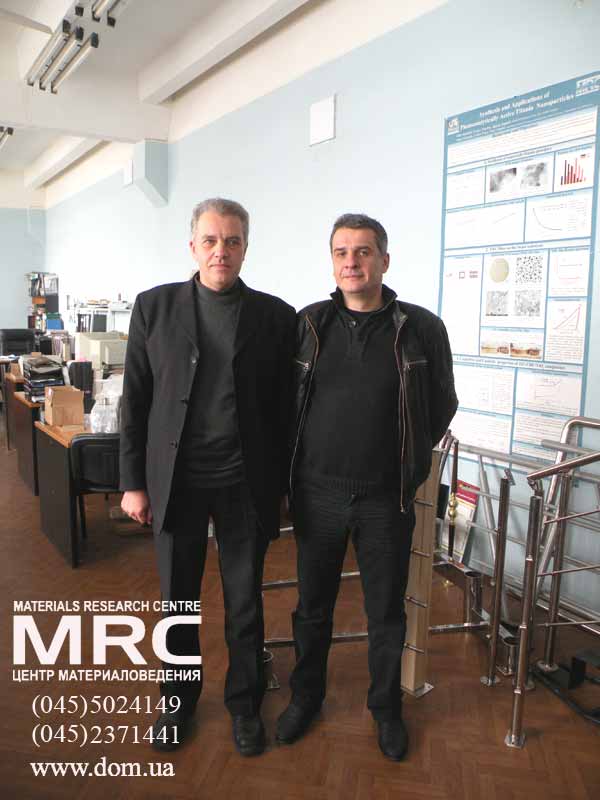
| Gubinsky Mihail Vladimirovich, National Metallyrgical Academy of Ukraine, and Gogotsi Alexey Georgievich, Materials Research Centre, ltd. | Dr. S.Yu. Saenko, National Academy of Sciences of Ukraine, Kharkov Institute of Physics and Technology (the KIPT), academician of NASU, Gas Institute Director, Doctor of Science, professor, B.I. Bondarenko, Materials Research Centre Director A.G. Gogotsi and M.V. Gubinsky, National Metallyrgical Academy of Ukraine, and others. | Video meeting in the office of The Gas Institute of the National Academy of Sciences of Ukraine |

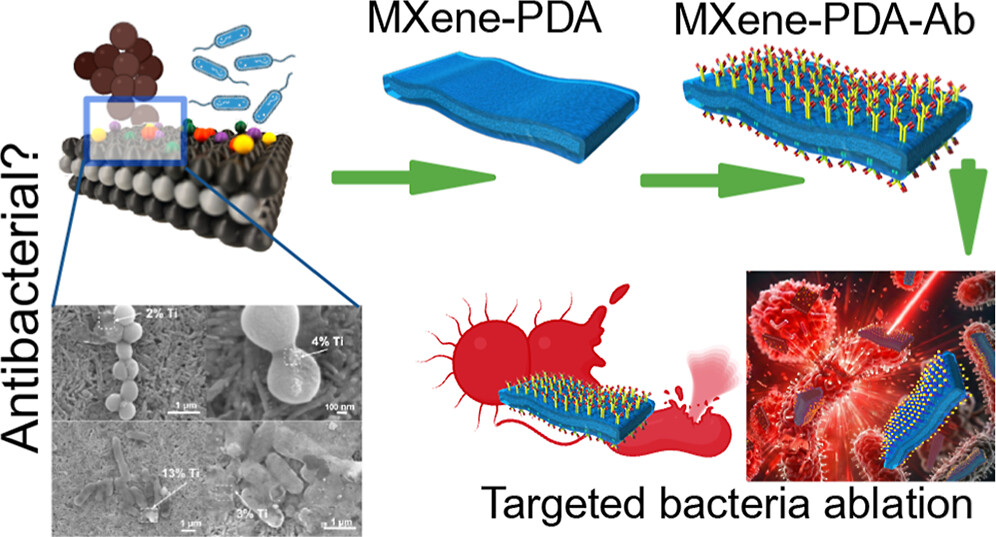 Do MXene nanosheets possess intrinsic antibacterial activity? A systematic study of high-quality Ti-, V-, and Nb-based MXenes reveals negligible inherent antimicrobial effects while highlighting their strong potential for targeted photothermal antibacterial therapy.
 Highlights
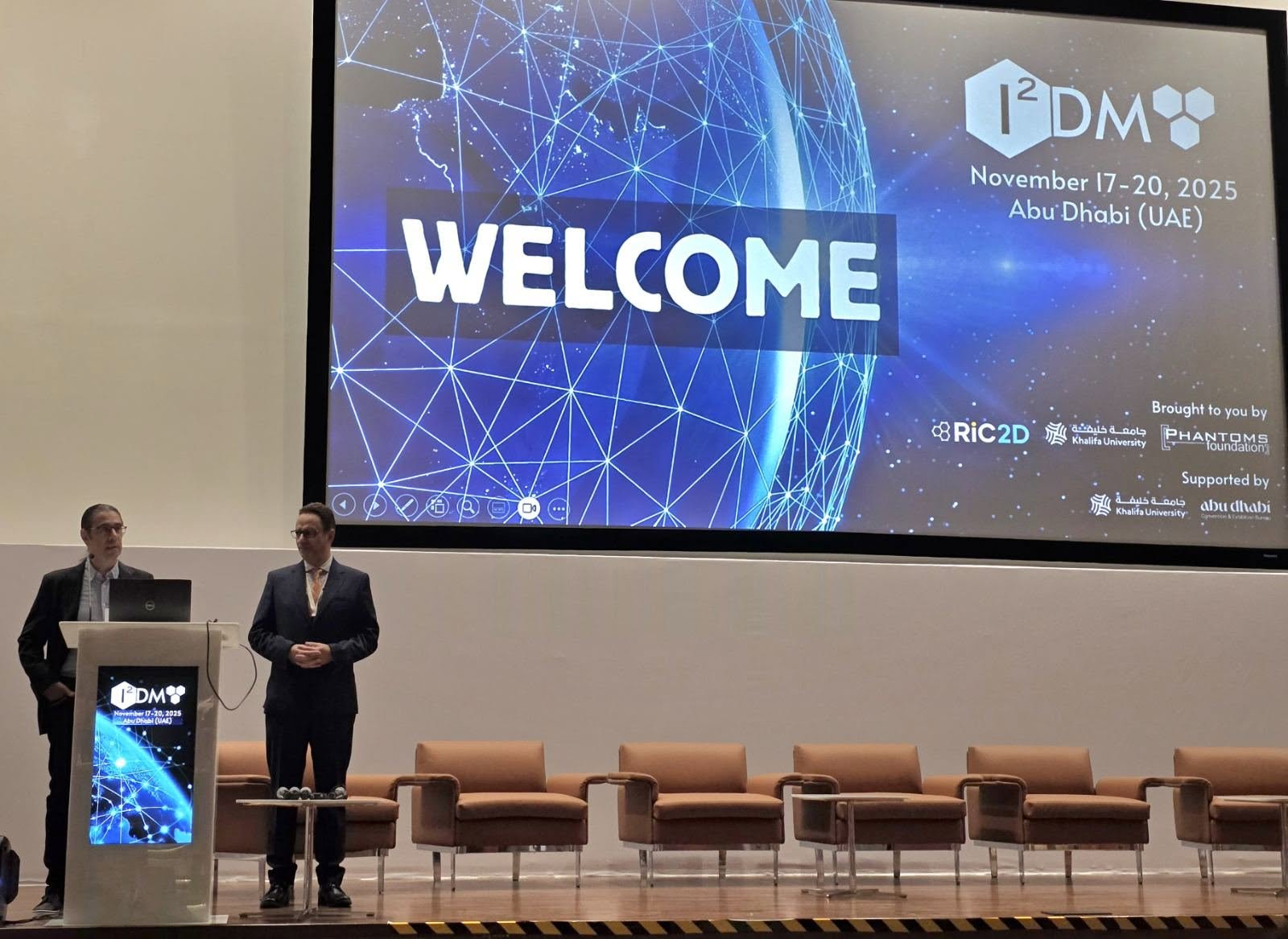 We are excited to share that our Carbon-Ukraine (Y-Carbon LLC) company participated in the I2DM Summit and Expo 2025 at Khalifa University in Abu-Dhabi! Huge thanks to Research & Innovation Center for Graphene and 2D Materials (RIC2D) for hosting such a high-level event.It was an incredible opportunity to meet brilliant researchers and innovators working on the next generation of 2D materials. The insights and energy from the summit will definitely drive new ideas in our own development.
 Carbon-Ukraine team had the unique opportunity to visit XPANCEO - a Dubai-based deep tech startup company that is developing the first smart contact lenses with AR vision and health monitoring features, working on truly cutting-edge developments.
 Our Carbon-Ukraine team (Y-Carbon LLC) are thrilled to start a new RIC2D project MX-Innovation in collaboration with Drexel University Yury Gogotsi and Khalifa University! Amazing lab tours to project collaborators from Khalifa University, great discussions, strong networking, and a wonderful platform for future collaboration.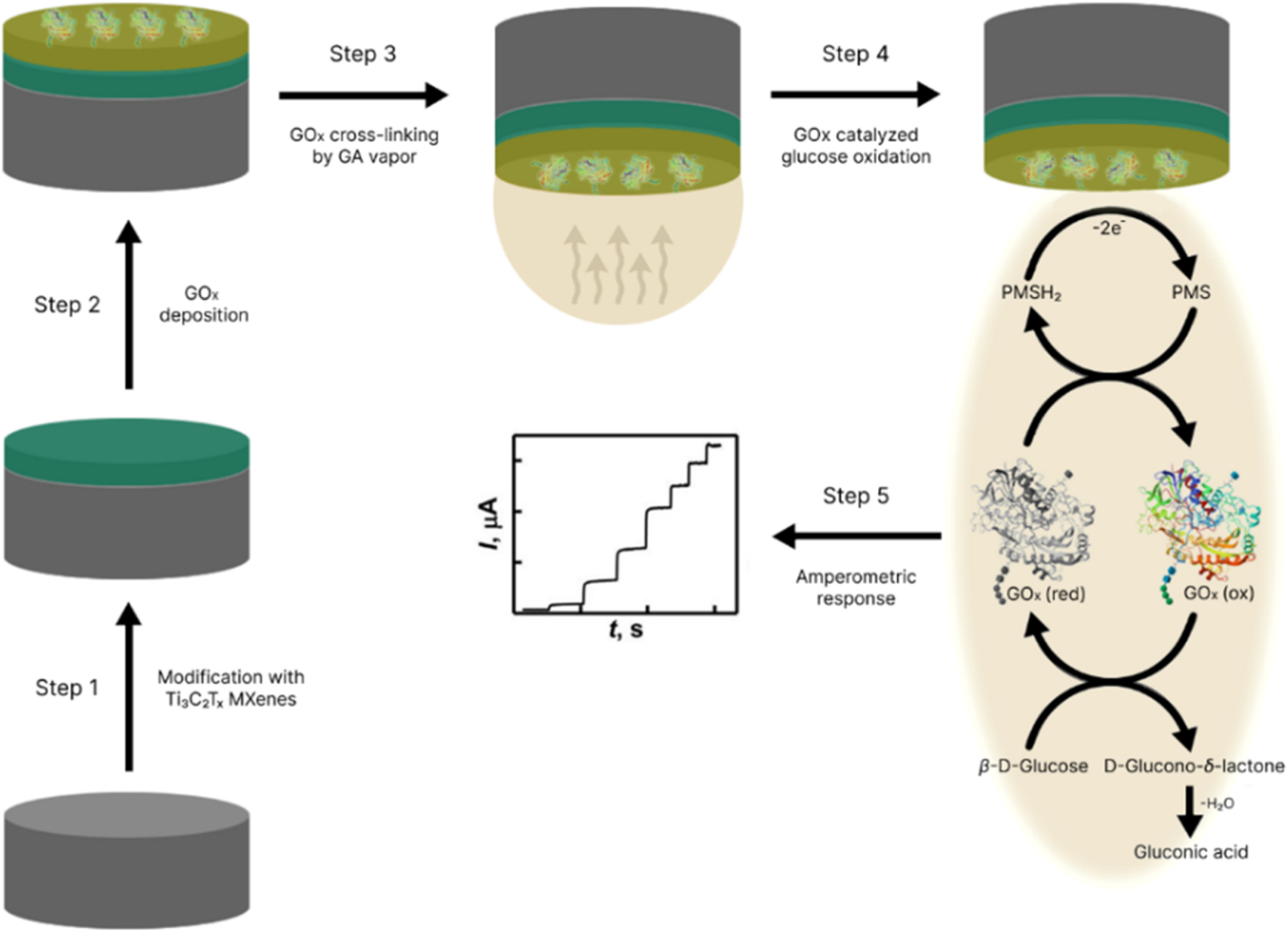
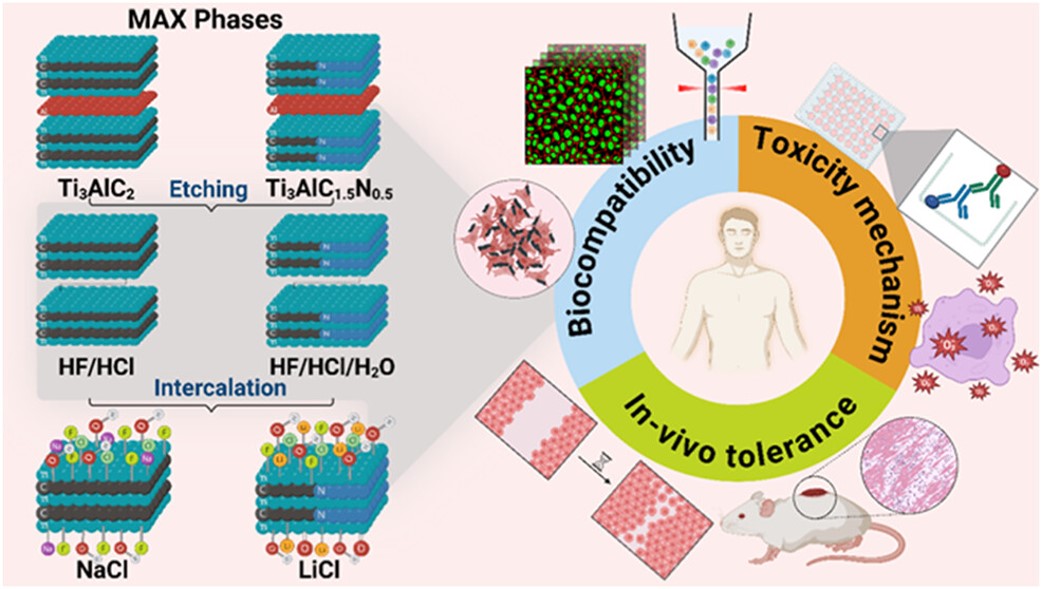 MXenes potential applications include sensors, wound healing materials, and drug delivery systems. A recent study explored how different synthesis methods affect the safety and performance of MXenes. By comparing etching conditions and intercalation strategies, researchers discovered that fine-tuning the surface chemistry of MXenes plays a crucial role in improving biocompatibility. These results provide practical guidelines for developing safer MXenes and bring the field one step closer to real biomedical applications.
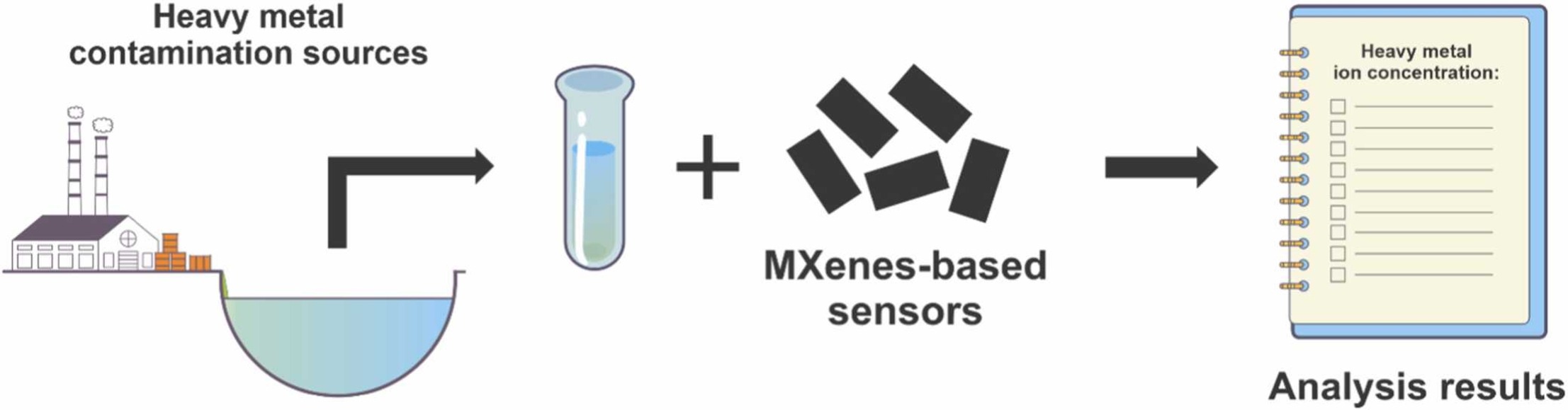 An excellent review highlighting how MXene-based sensors can help tackle one of today’s pressing environmental challenges — heavy metal contamination. Excited to see such impactful work moving the field of environmental monitoring and sensor technology forward!
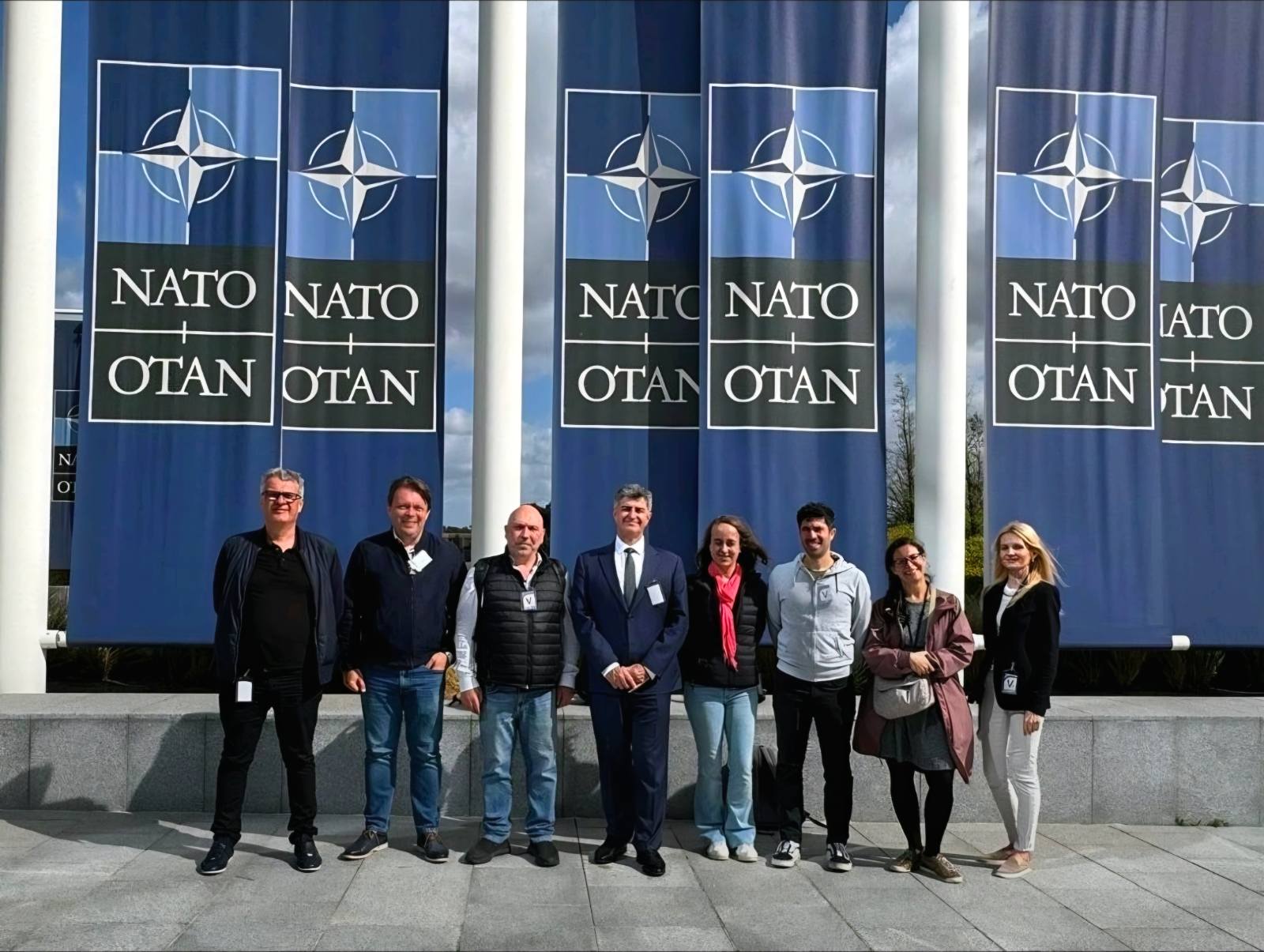 Carbon-Ukraine team was truly delighted to take part in the kickoff meeting of the ATHENA Project (Advanced Digital Engineering Methods to Design MXene-based Nanocomposites for Electro-Magnetic Interference Shielding in Space), supported by NATO through the Science for Peace and Security Programme.
 Exellent news, our joint patent application with Drexel University on highly porous MAX phase precursor for MXene synthesis published. Congratulations and thanks to all team involved!
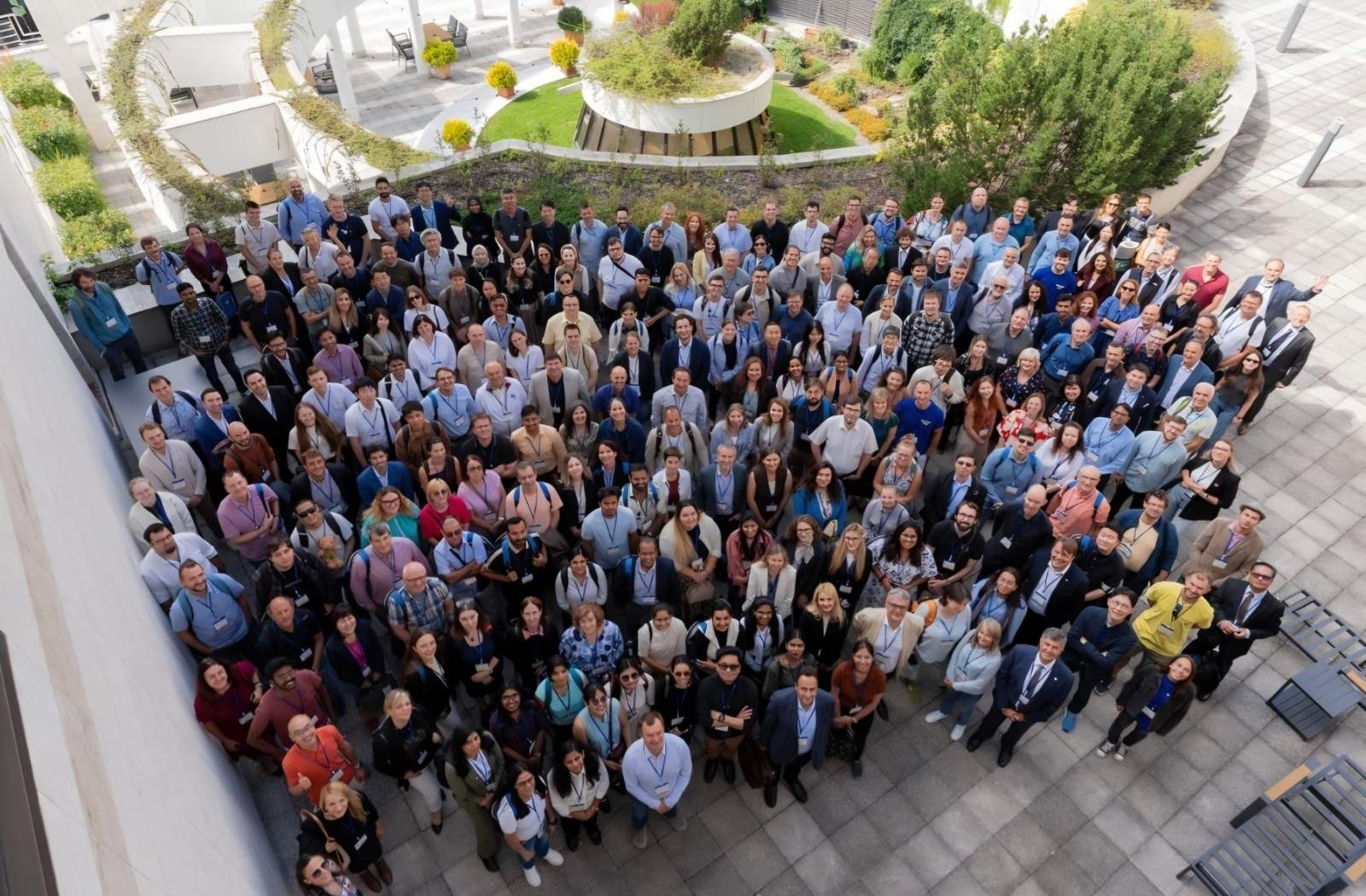 Our team was very delighted to take part in International Symposium "The MXene Frontier: Transformative Nanomaterials Shaping the Future" – the largest MXene event in Europe this year!
  Last Call! Have you submitted your abstract for IEEE NAP-2025 yet? Join us at the International Symposium on "The MXene Frontier: Transformative Nanomaterials Shaping the Future" – the largest MXene-focused conference in Europe this year! Final Submission Deadline: May 15, 2025. Don’t miss this exclusive opportunity to showcase your research and engage with world leaders in the MXene field!
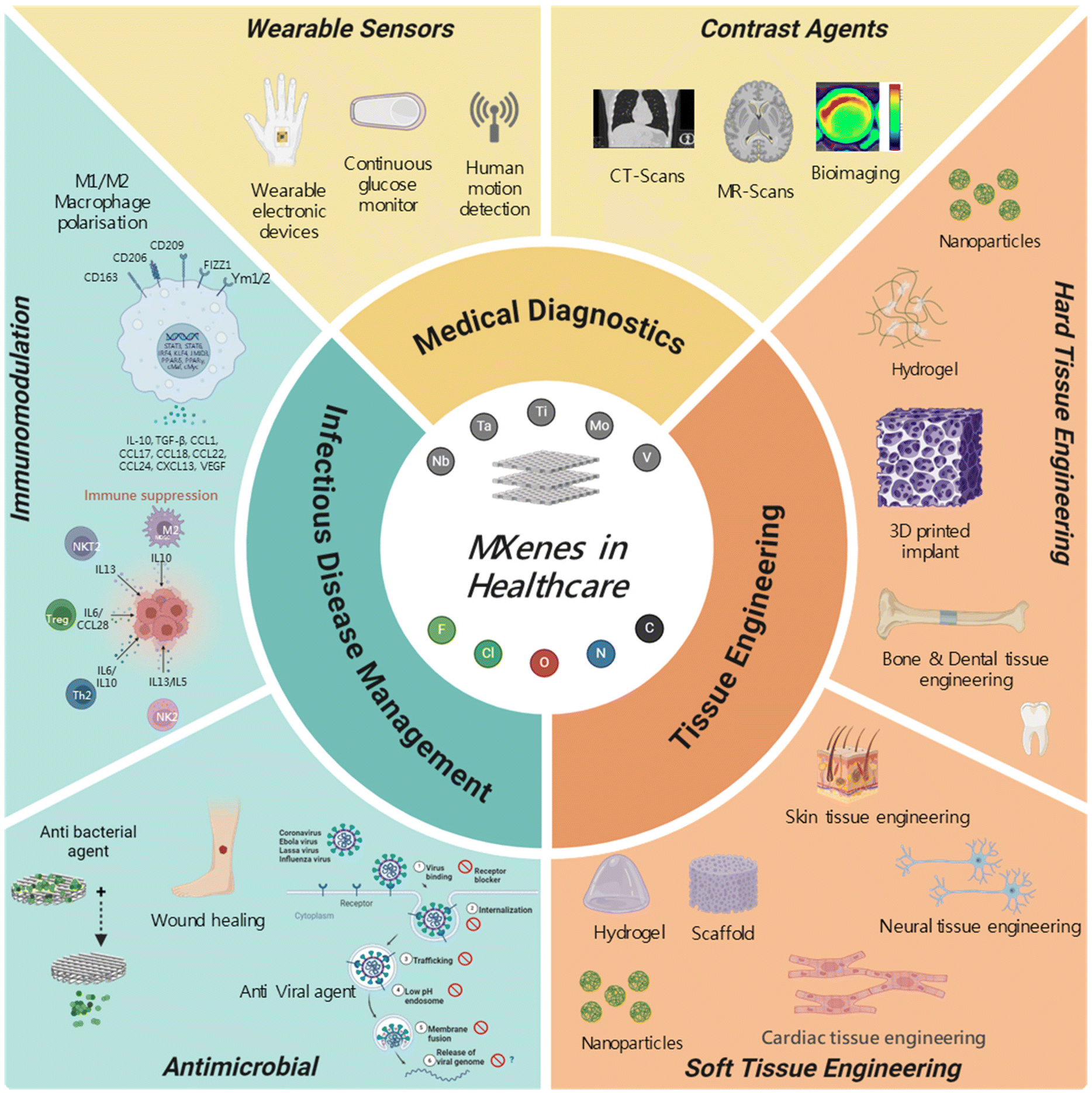 We are excited to announce the publication of latest review article on MXenes in Healthcare. This comprehensive review explores the groundbreaking role of MXenes—an emerging class of 2D materials—in revolutionizing the fields of medical diagnostics and therapeutics. Read the full article here: https://doi.org/10.1039/D4NR04853A.
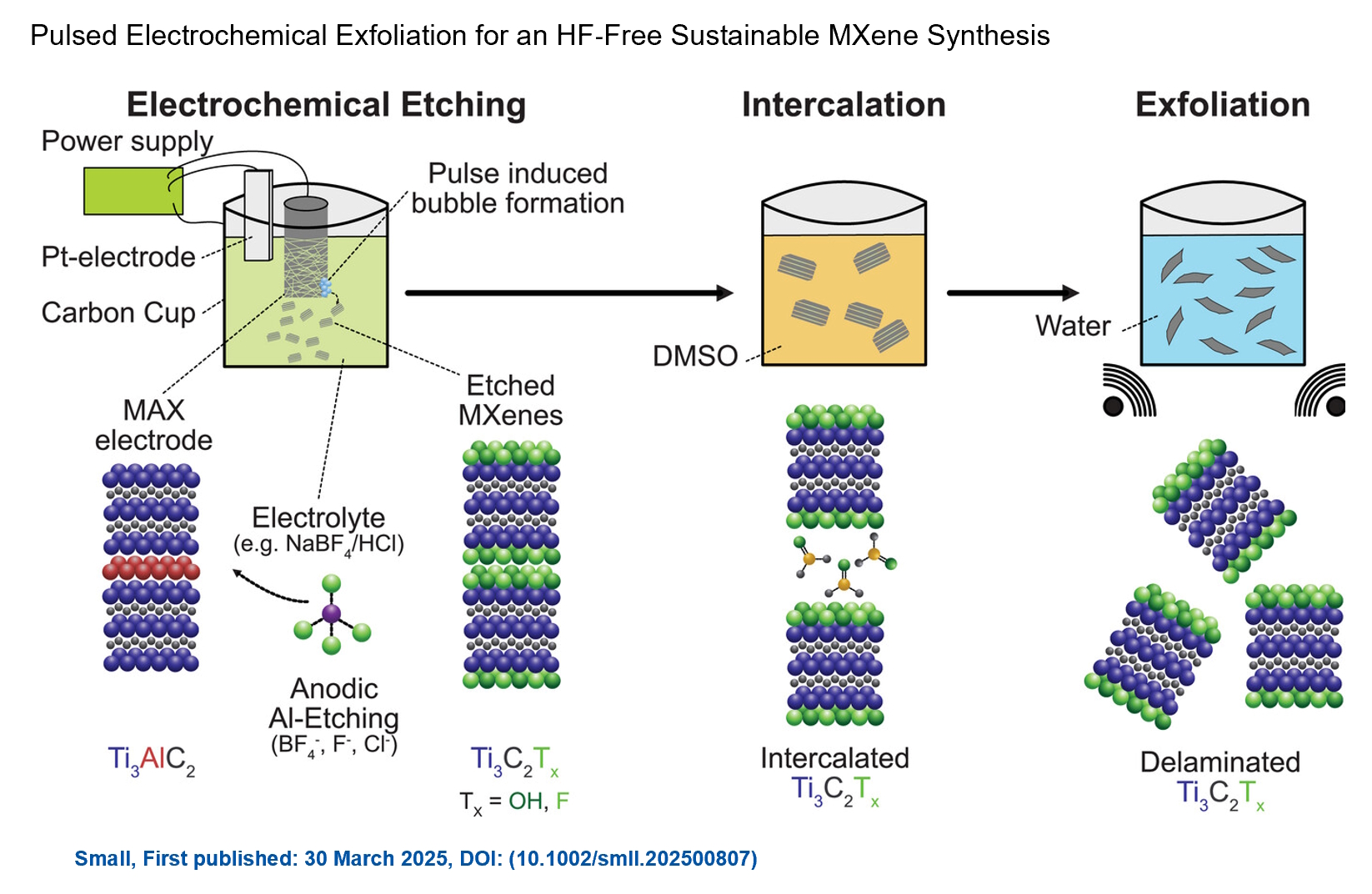 Congratulations and thank you to our collaborators from TU Wien and CEST for very interesting work and making it published! In this work, an upscalable electrochemical MXene synthesis is presented. Yields of up to 60% electrochemical MXene (EC-MXene) with no byproducts from a single exfoliation cycle are achieved.