

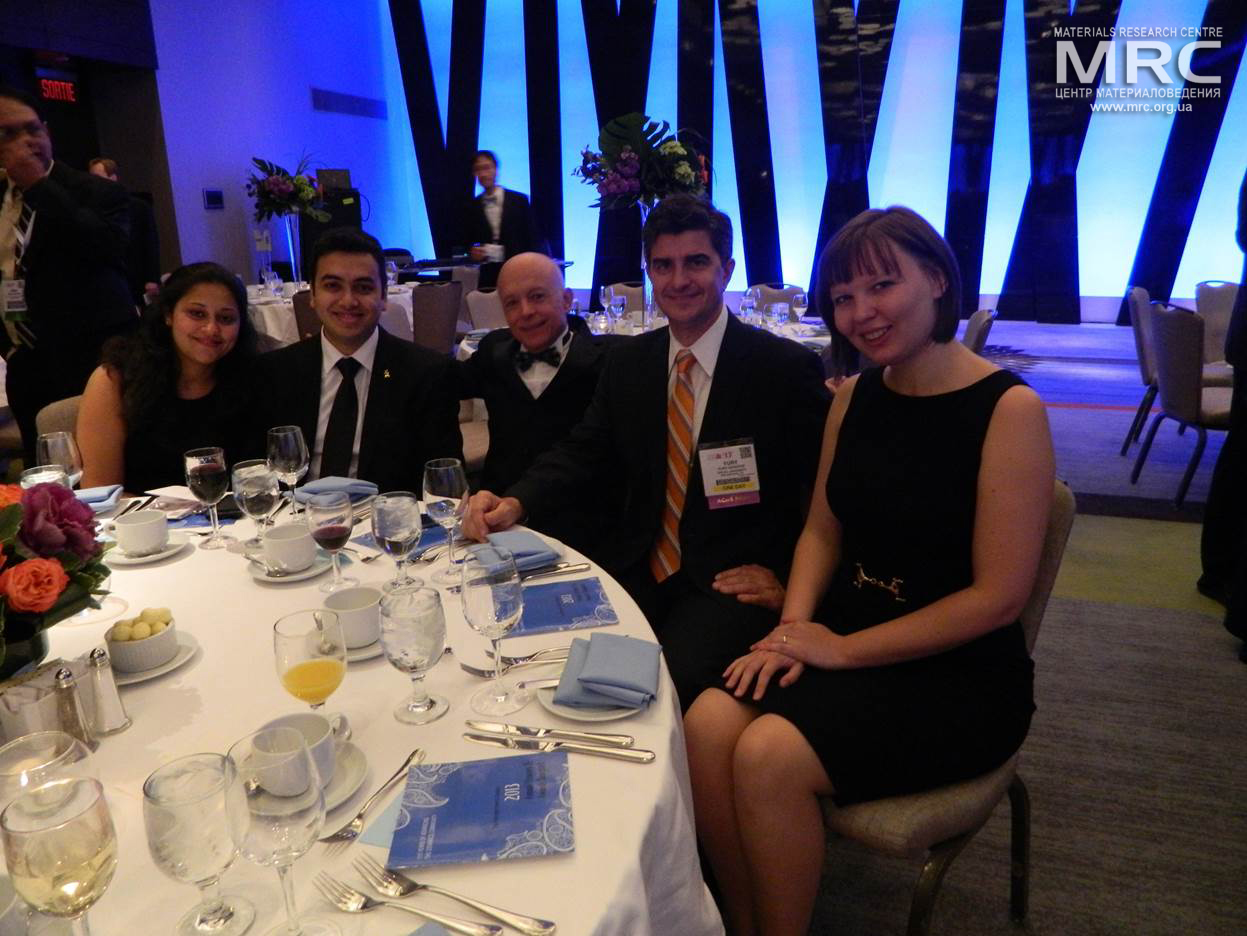
This is the 5th Roland Snow (best of show) award that Drexel team won at the Ceramographic Competition of the American Ceramic Society in the past ~10 years (plus numerous awards in almost all categories: SEM, TEM, mixed techniques, undergraduates, etc.). For the second year in a row Ph.D. students Babak Anasori and Michael Naguib, Drexel University, received the Roland B. Snow Award from the American Ceramic Society for their work on “The Carbon-Anatase Dog”. 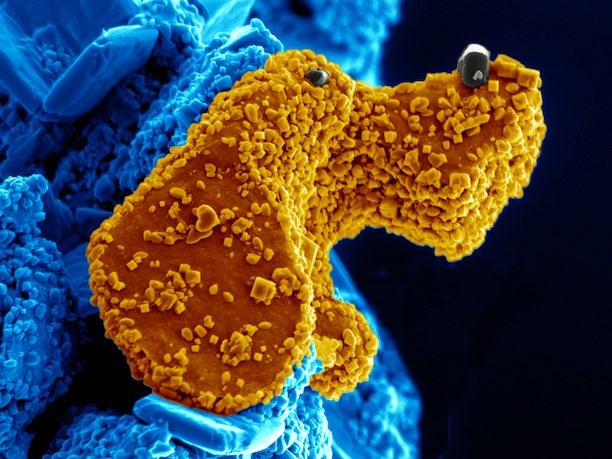
This award is presented for the best ceramographic work at the annual meeting of the American Ceramic Society (ACerS) during MS&T and consists of a monetary award and a Steuben glass artifact. Their entry also received the first place in the Scanning Electron Microscopy Category. The SEM image that was captured by Babak shows oxidized Ti2C3 particles (Michael’s research).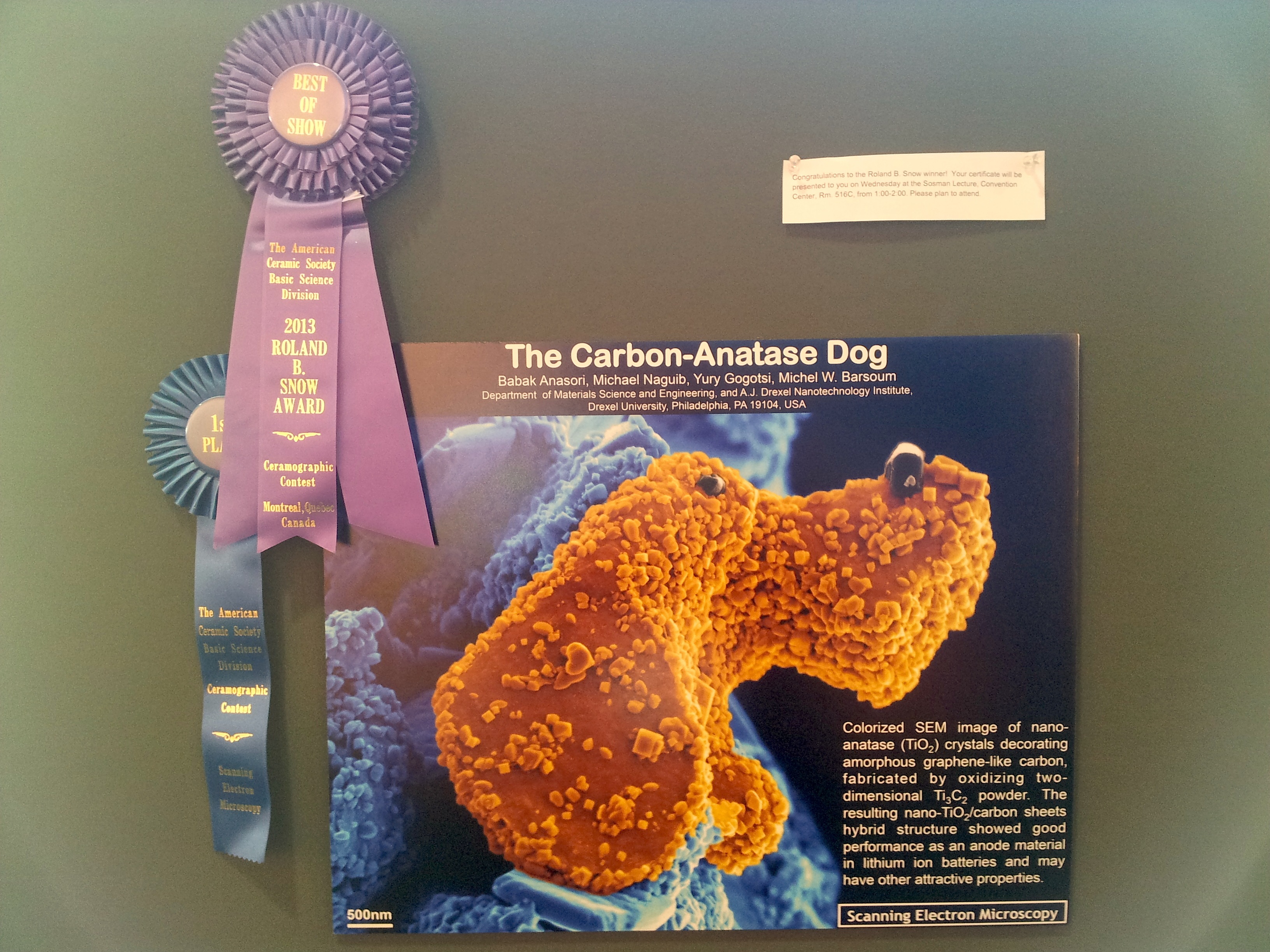
Colorized SEM image of nano anatase (TiO2) crystals decorating amorphous graphene-like-carbon, fabricated by oxidizing two-dimensional Ti3C2 powder. The resulting nano-TiO2/carbon sheets hybrid structure showed good perfomance as an anode material in lithium ion batteries and may have other attractive properties.
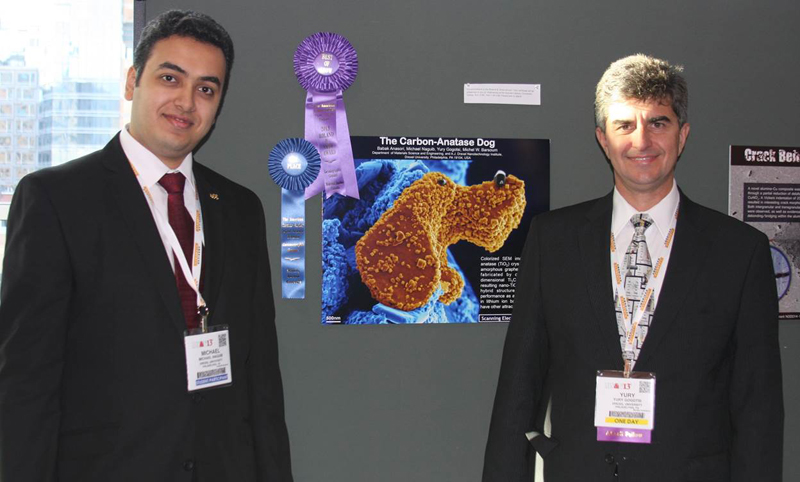
The MS&T conference is taking place October 27-31 in Montreal, Quebec, Canada. The Snow award was presented to the Best of Show winner of the Ceramographic Exhibit & Competition, an annual poster exhibit to promote the use of microscopy and microanalysis as tools in the scientific investigation of ceramic materials. The competition was held during the ACerS Annual Meeting and entries are prominently displayed in the Convention Center.
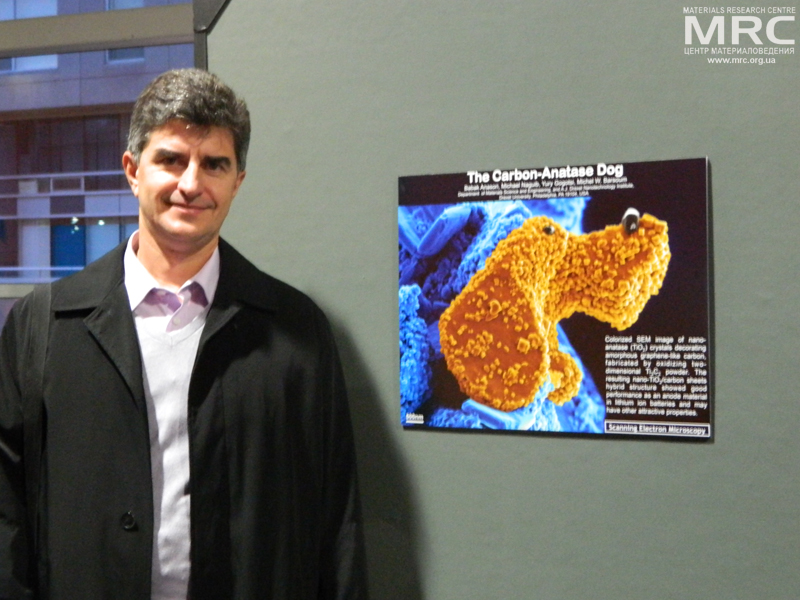
The Best of Show poster will be published in a future issue of the Bulletin. Other entries may appear on the back covers of the Journal of the American Ceramic Society throughout the year.
Source: www.max.materials.drexel.edu

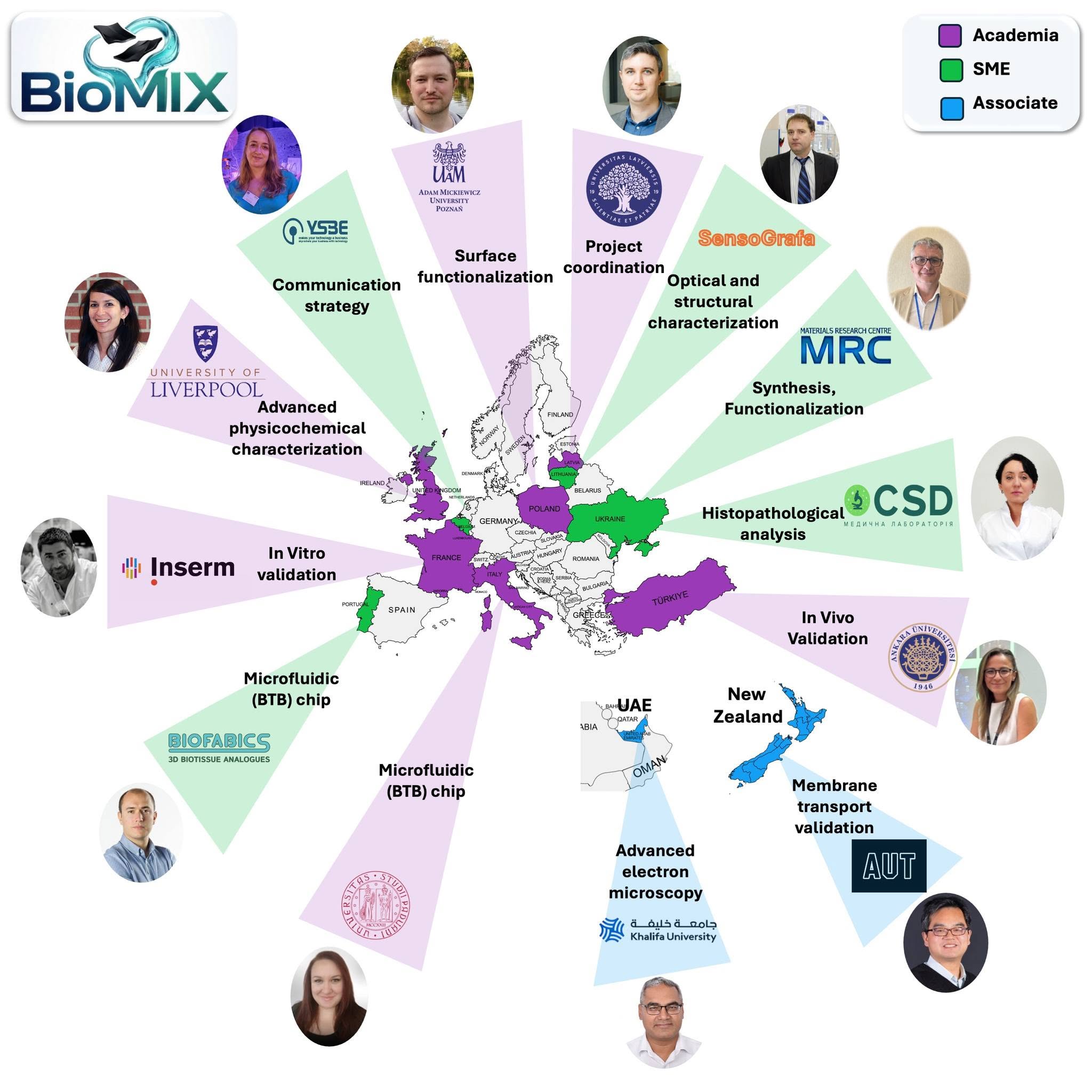
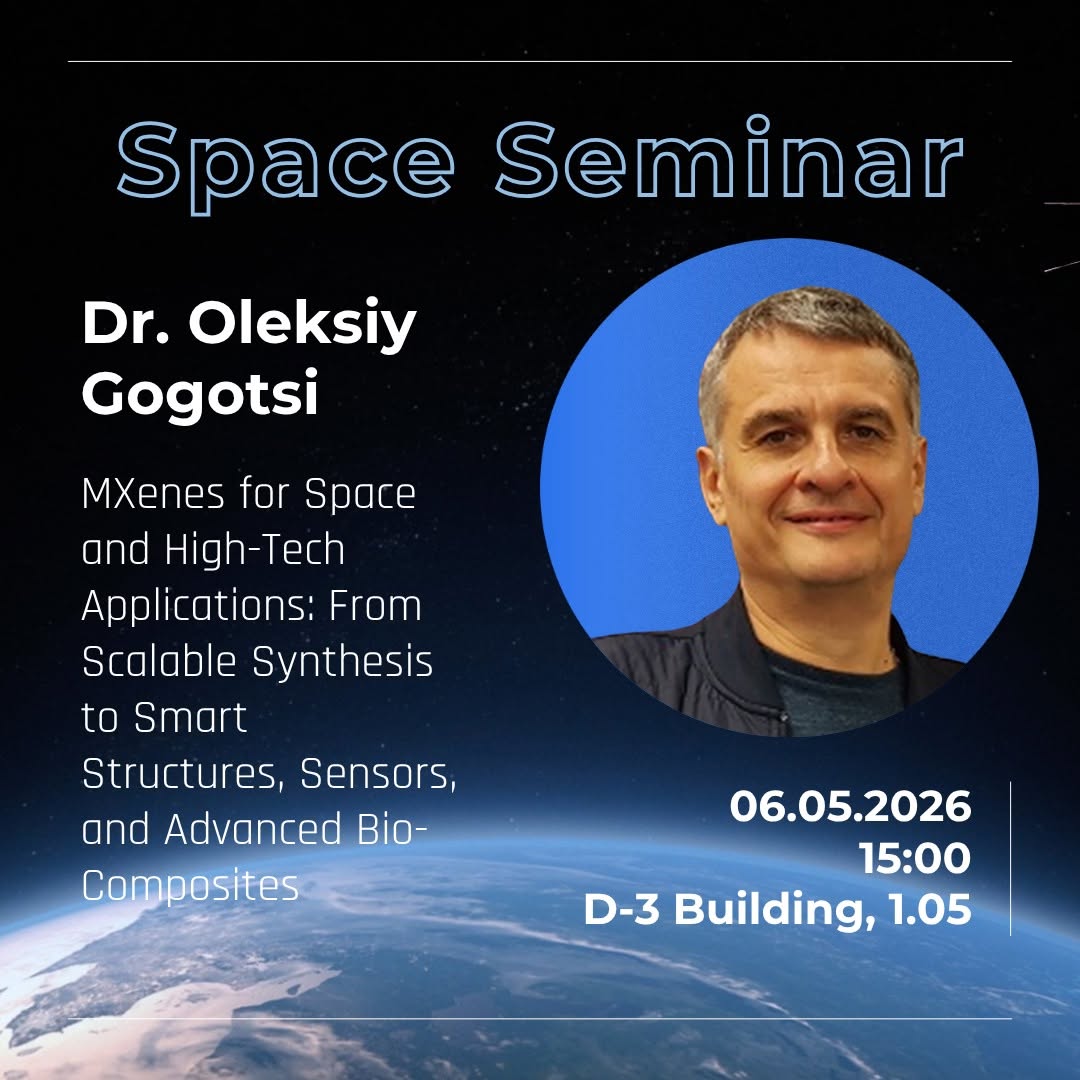 The seminar, titled “MXenes for Space and High-Tech Applications: From Scalable Synthesis to Smart Structures, Sensors, and Advanced Bio-Composites,” brought together researchers interested in the development and application of advanced nanomaterials. The presentation covered recent progress in MXene technology, with a particular focus on scalable synthesis and the integration of MXenes into smart structures, sensors, advanced electronics, multifunctional composites, and space technologies.
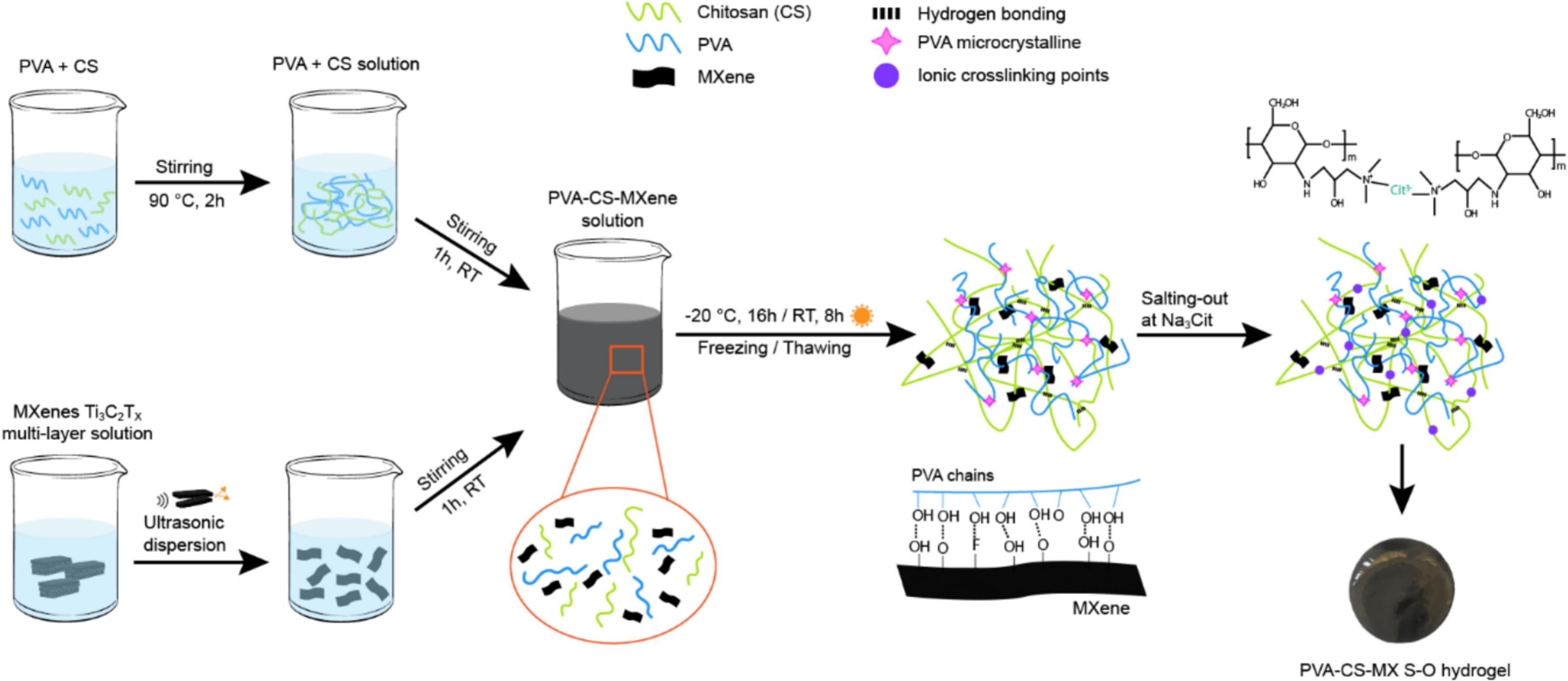 The study, “Green-Synthesized MXenes Enable Low-Friction, Cytocompatible PVA-Chitosan Hydrogels,” explores the incorporation of HF-free, green-synthesized Ti₃C₂Tₓ MXenes into polyvinyl alcohol (PVA)-chitosan hydrogels. The research demonstrates that this combination can produce highly hydrated, mechanically enhanced, cytocompatible materials with significantly improved tribological properties.
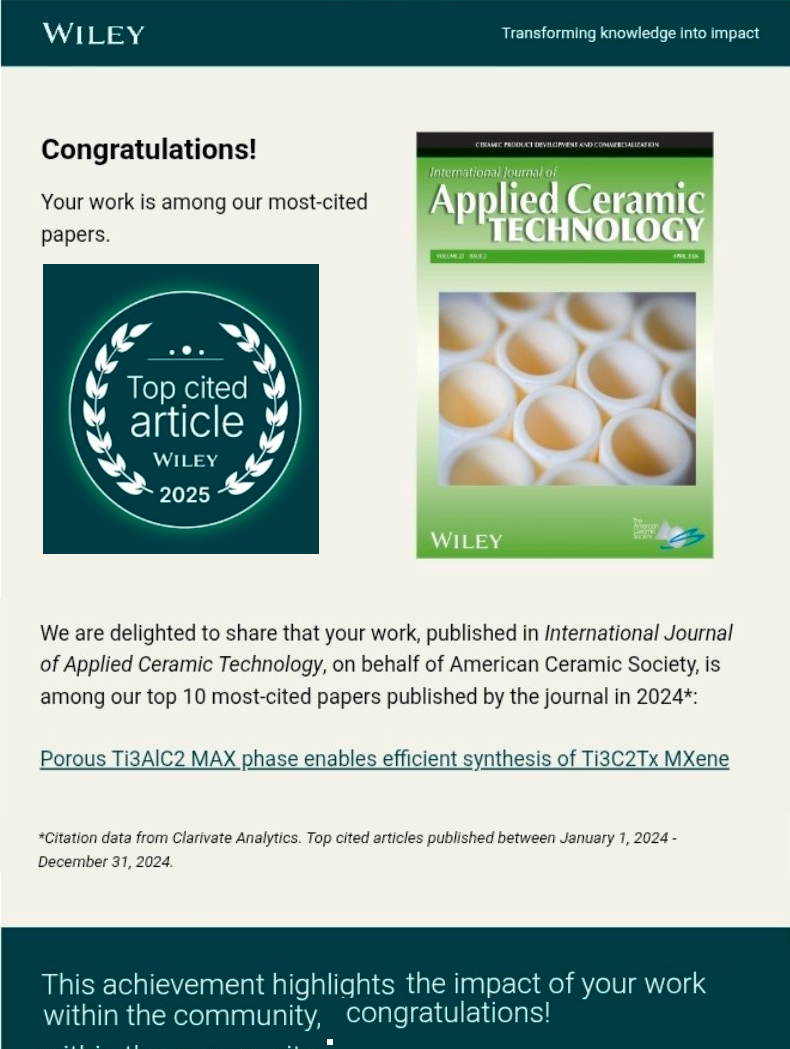 Our collaborative work on porous Ti₃AlC₂ MAX phase for efficient Ti₃C₂Tₓ MXene synthesis has been ranked among the Top 10 most cited papers in the International Journal of Applied Ceramic Technology (IJACT).
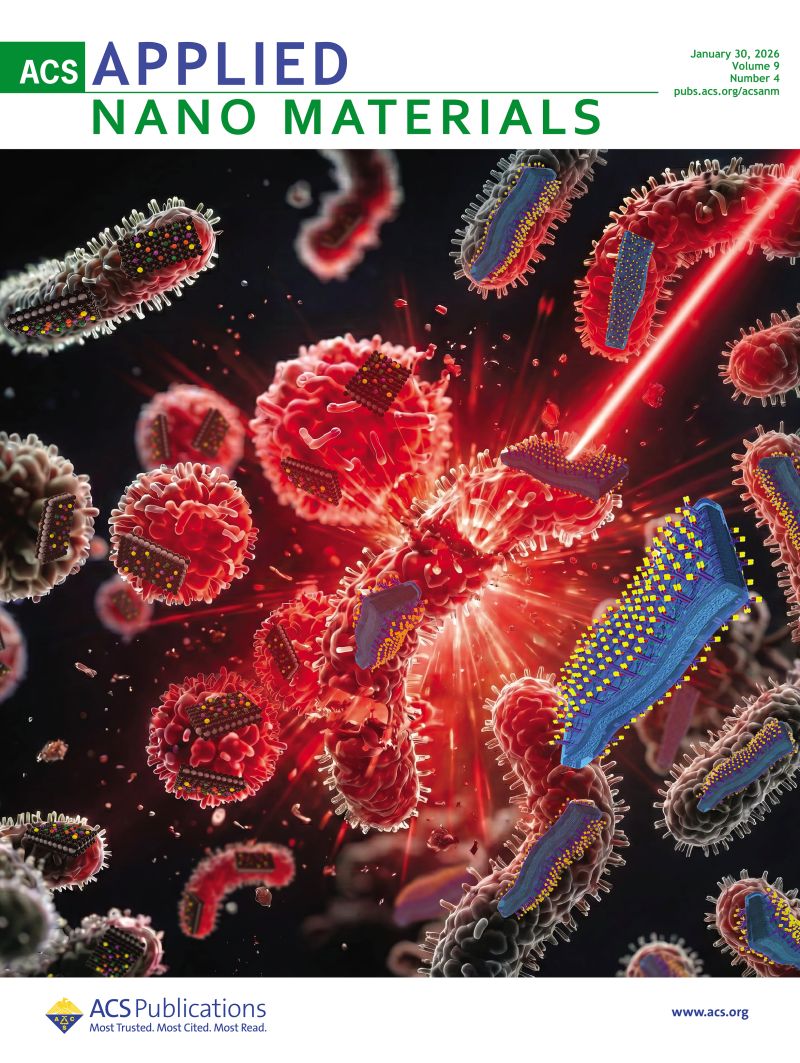 We highly recommend checking out new important paper: “Critical Assessment of Intrinsic Antibacterial Properties and Photothermal Therapy Potential of MXene Nanosheets.” Along with the key findings, we’re also excited to share the Supplementary Cover Art — it beautifully illustrates our vision of MXene-based targeted complexes that can eliminate bacteria via photothermal conversion under near-infrared irradiation.
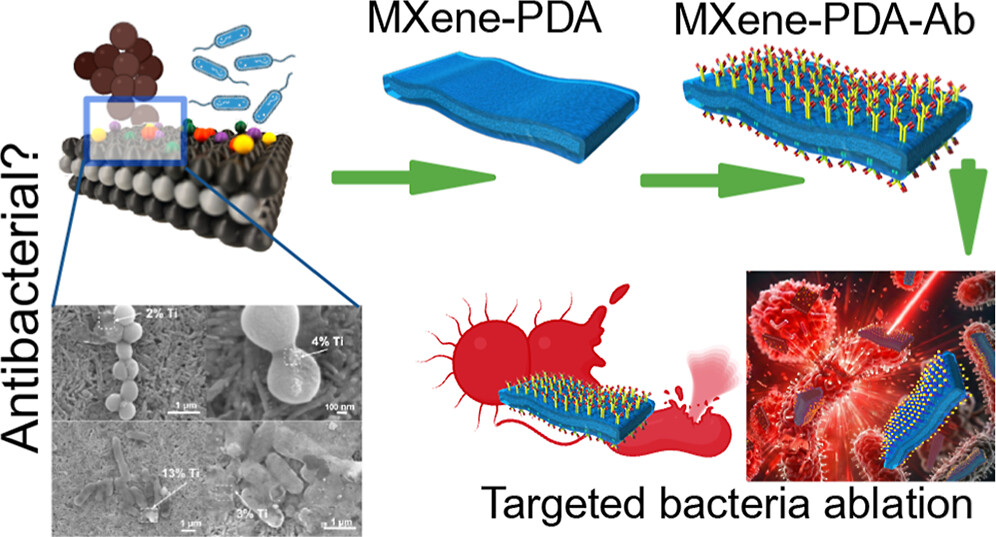 Do MXene nanosheets possess intrinsic antibacterial activity? A systematic study of high-quality Ti-, V-, and Nb-based MXenes reveals negligible inherent antimicrobial effects while highlighting their strong potential for targeted photothermal antibacterial therapy.
 Highlights
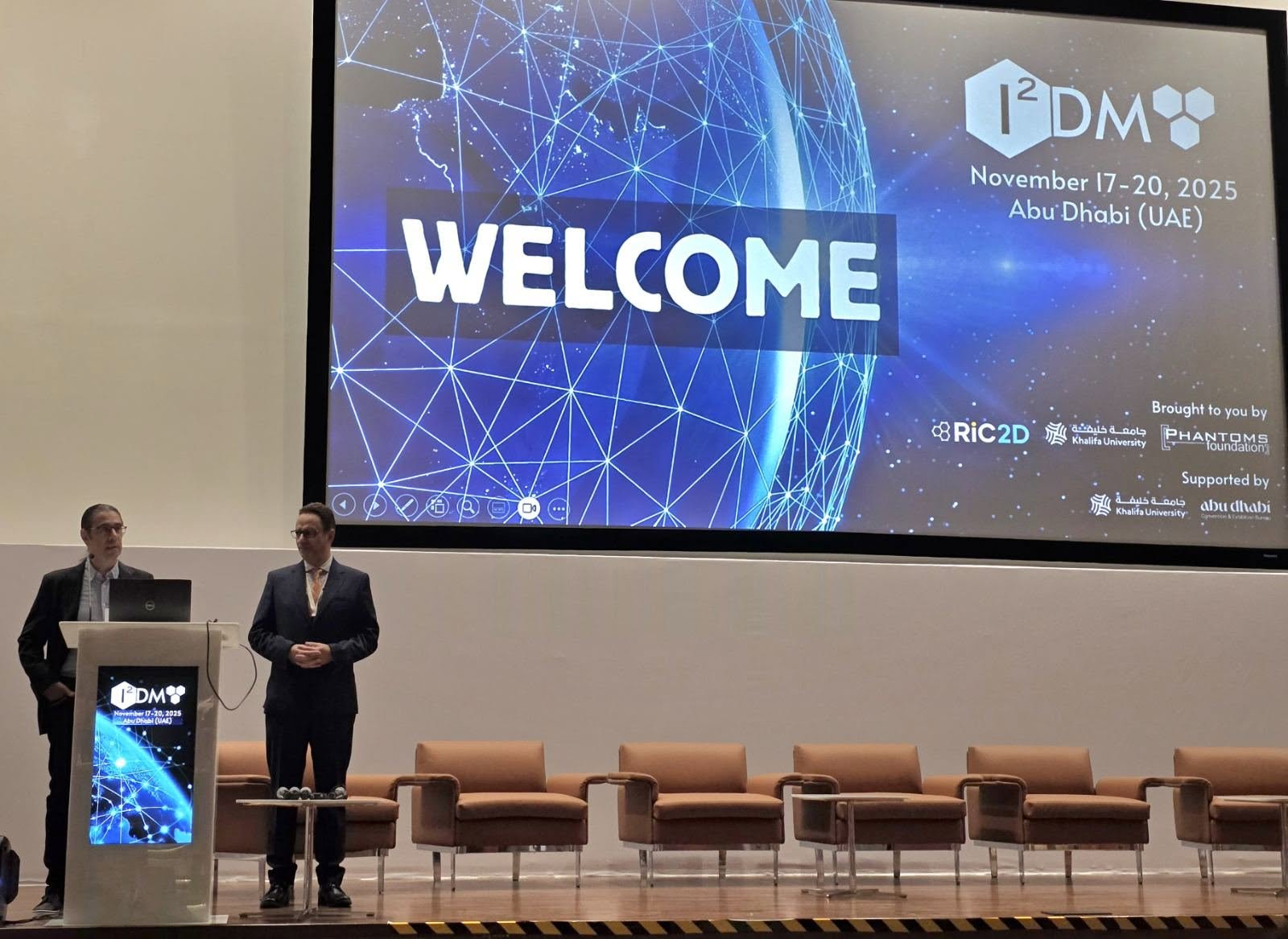 We are excited to share that our Carbon-Ukraine (Y-Carbon LLC) company participated in the I2DM Summit and Expo 2025 at Khalifa University in Abu-Dhabi! Huge thanks to Research & Innovation Center for Graphene and 2D Materials (RIC2D) for hosting such a high-level event.It was an incredible opportunity to meet brilliant researchers and innovators working on the next generation of 2D materials. The insights and energy from the summit will definitely drive new ideas in our own development.
 Carbon-Ukraine team had the unique opportunity to visit XPANCEO - a Dubai-based deep tech startup company that is developing the first smart contact lenses with AR vision and health monitoring features, working on truly cutting-edge developments.
 Our Carbon-Ukraine team (Y-Carbon LLC) are thrilled to start a new RIC2D project MX-Innovation in collaboration with Drexel University Yury Gogotsi and Khalifa University! Amazing lab tours to project collaborators from Khalifa University, great discussions, strong networking, and a wonderful platform for future collaboration.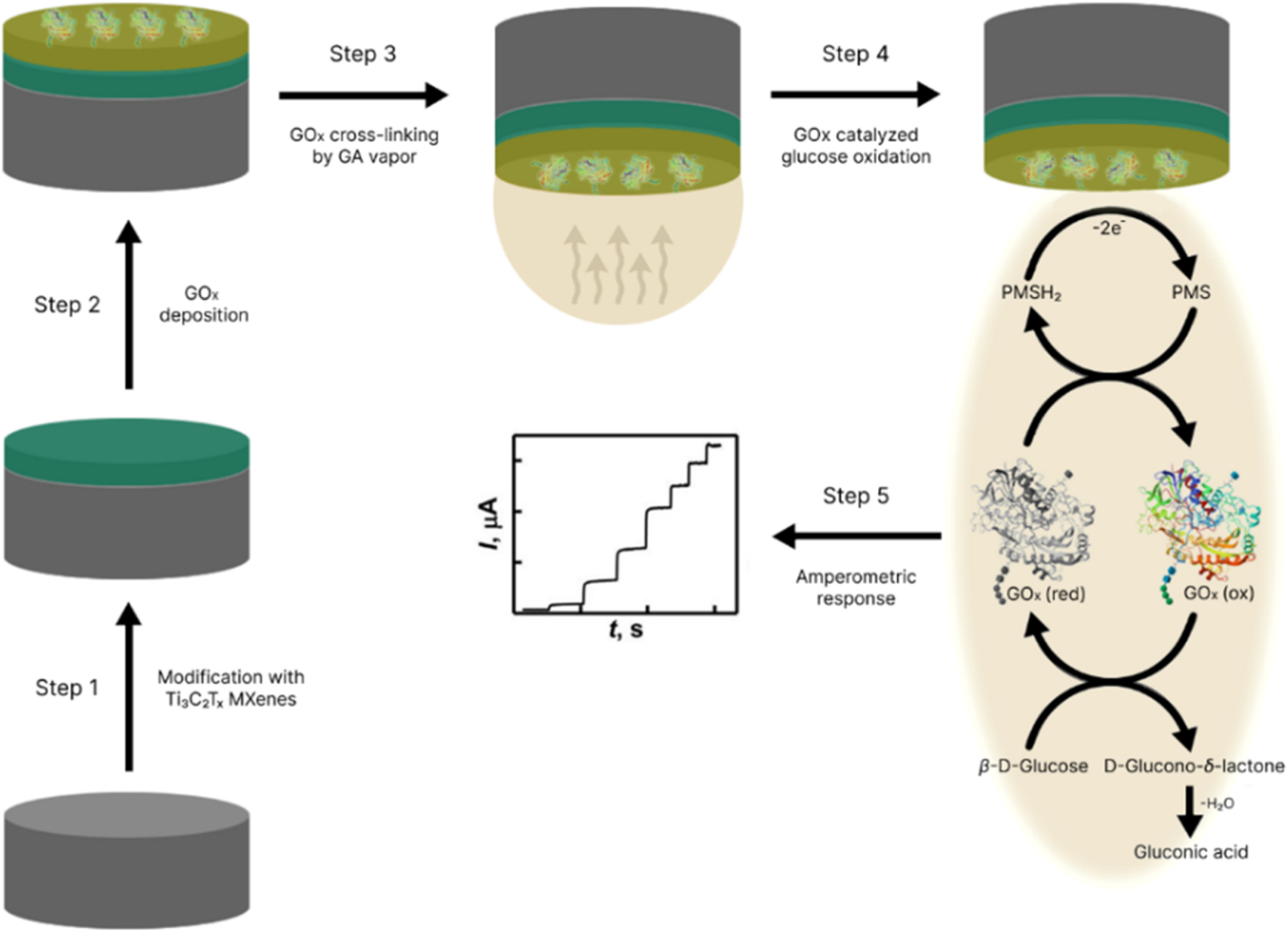
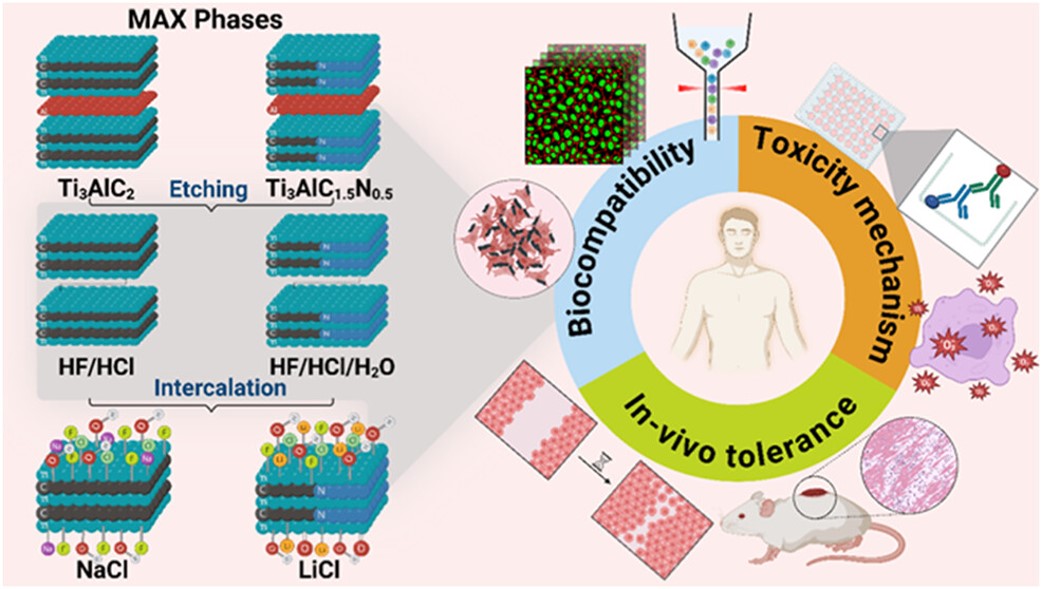 MXenes potential applications include sensors, wound healing materials, and drug delivery systems. A recent study explored how different synthesis methods affect the safety and performance of MXenes. By comparing etching conditions and intercalation strategies, researchers discovered that fine-tuning the surface chemistry of MXenes plays a crucial role in improving biocompatibility. These results provide practical guidelines for developing safer MXenes and bring the field one step closer to real biomedical applications.
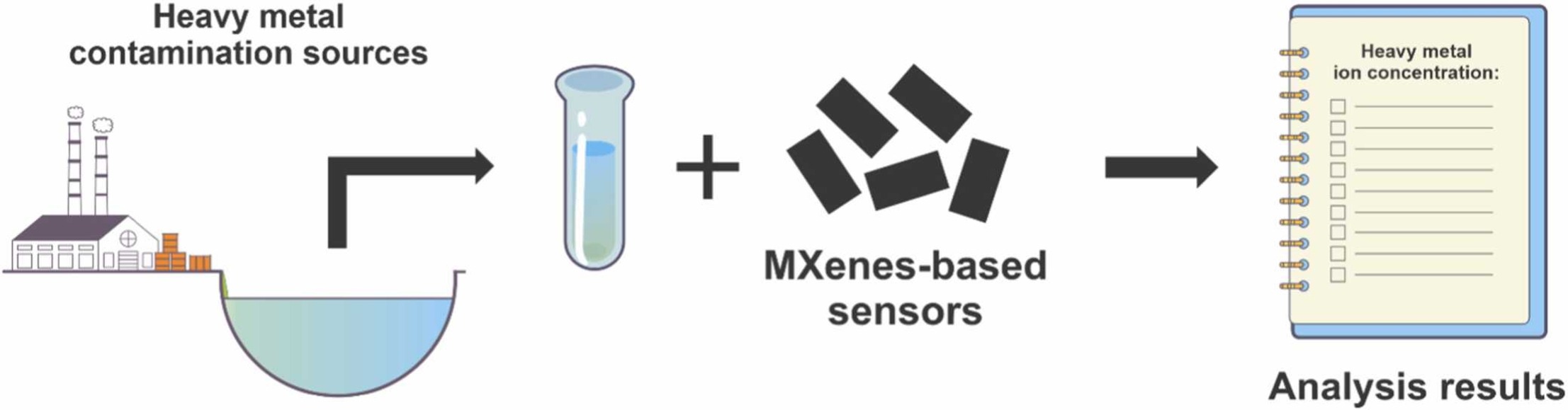 An excellent review highlighting how MXene-based sensors can help tackle one of today’s pressing environmental challenges — heavy metal contamination. Excited to see such impactful work moving the field of environmental monitoring and sensor technology forward!
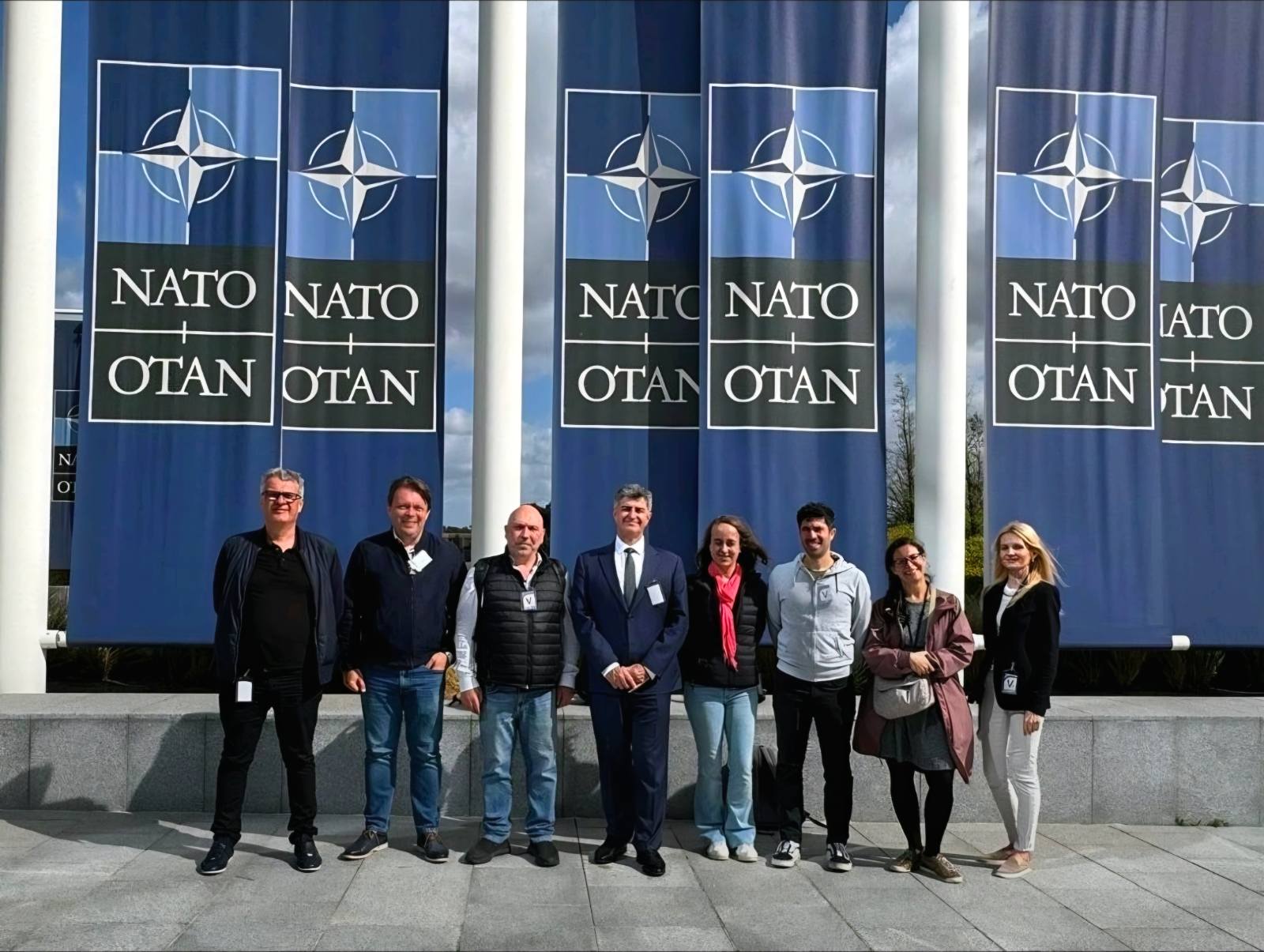 Carbon-Ukraine team was truly delighted to take part in the kickoff meeting of the ATHENA Project (Advanced Digital Engineering Methods to Design MXene-based Nanocomposites for Electro-Magnetic Interference Shielding in Space), supported by NATO through the Science for Peace and Security Programme.